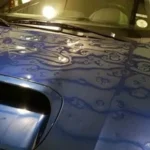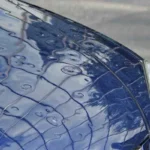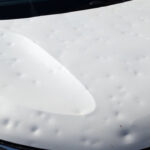
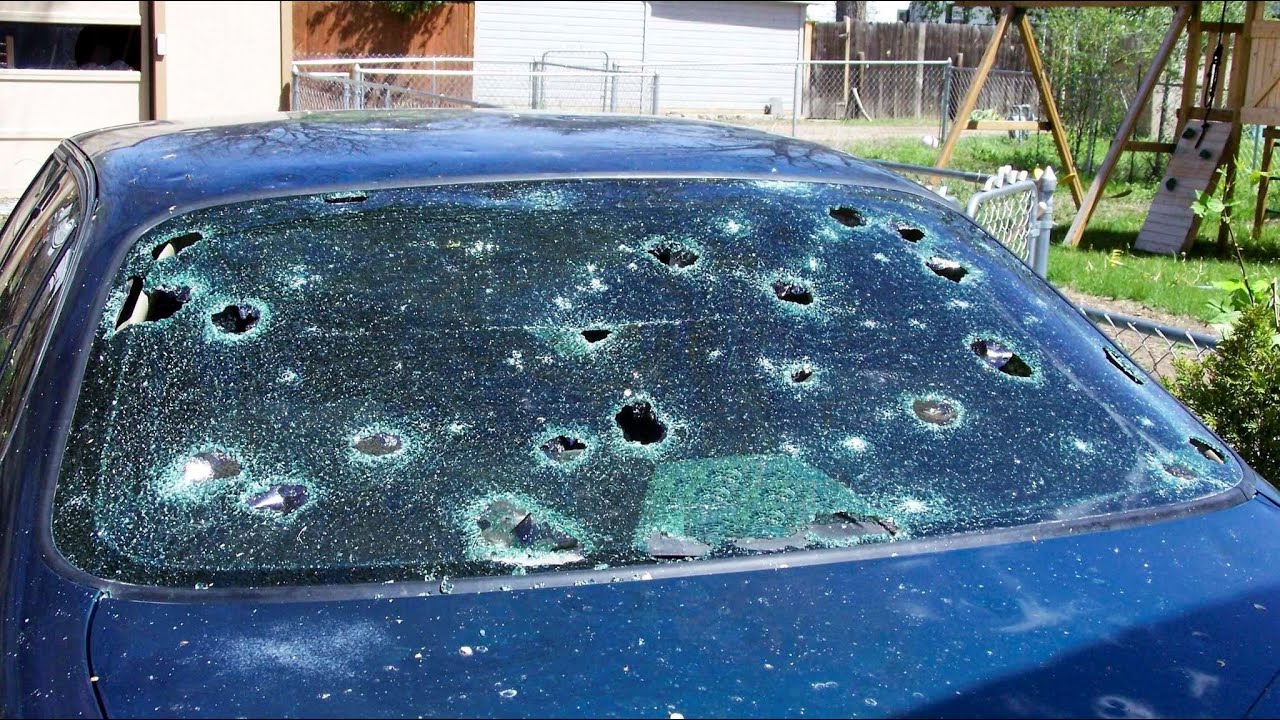
After a severe thunderstorm clears, most drivers immediately check their windshields and the obvious roof panels for signs of impact. While these visible marks are distressing, the most dangerous vehicle issues are often the ones you cannot see at first glance. If you are searching for Auto Hail Damage Repair in Fort Worth, TX, it is crucial to understand that structural and cosmetic compromise can linger in areas that seem untouched. Identifying these subtle indicators early is the difference between a simple maintenance task and a complex, expensive overhaul. Failing to address these issues can compromise your vehicle’s safety features, electrical systems, and long-term resale value.
Why “Hidden” Damage is a Silent Threat
Many car owners assume that if they don’t see massive cratering, their vehicle is “fine.” However, modern vehicles are designed with crumple zones and intricate body lines that can hide significant kinetic energy transfer.
- Structural Integrity: Heavy impacts can weaken the support pillars (A, B, and C pillars) that hold your vehicle’s frame together.
- Component Loosening: The vibrations from a massive hailstorm can shake loose plastic clips, interior trim fasteners, and even exterior sensors, such as blind-spot monitors or parking distance controllers.
- Corrosion Hotspots: Even the smallest “invisible” fracture in the clear coat allows moisture to settle against the raw metal, leading to deep, internal rust that isn’t visible until the panel begins to bubble months later.
A Systematic Approach to Inspecting Your Vehicle
To catch these issues before they escalate, you need a methodical approach to your post-storm walkaround. Don’t just rely on your eyes; use a bright LED flashlight to cast shadows across the body panels, as this will reveal “highs and lows” in the metal that are otherwise invisible in standard sunlight.
1. Check the Plastic Moldings and Trims
Hail rarely hits just the metal. Check the plastic trim around your windows, sunroof seals, and side mirrors. If these have been cracked or misaligned, water will inevitably leak into your cabin, causing mold and electrical shorts.
2. Examine the Lighting Assemblies
Look closely at your headlight and taillight housings. A tiny hairline fracture might not affect the light’s function today, but the next time you wash your car or drive through heavy rain, that crack will allow condensation to build up, destroying the bulb and the internal wiring.
3. The “Roof Rail” Trap
Most people forget to look at the roof rails and gutters. These areas are structurally reinforced and often catch ice at an angle, causing them to warp slightly. If they aren’t perfectly aligned, you may notice increased wind noise or whistling while driving on the highway.
Dealing with Dents After a Storm
It is vital to realize that dents after a storm can often be deceptive. What appears to be a small bump might actually be a symptom of a larger buckling of the panel’s internal reinforcement bar. When you take your car in for a professional assessment, ask the technicians specifically about these hidden support structures. At Millennium Car LLC, our diagnostic process goes beyond the surface; we utilize specialized equipment to ensure that the internal integrity of your doors and roof panels remains compromised-free. Skipping this step is how minor cosmetic issues turn into major safety recalls or performance failures later on.
The Role of Professional Assessment
DIY inspections are a great start, but they cannot replace the trained eye of a PDR (Paintless Dent Repair) specialist. Professional shops have the tools—such as high-intensity, color-corrected lighting rigs—that turn your car into a map of its own history.
By bringing your vehicle to a facility like Millennium Car LLC, you ensure that every inch of the chassis is evaluated. We document these findings in a way that is easily accepted by insurance adjusters, ensuring that your claim covers not just the obvious dings, but the hidden issues that could cause problems in the future.
Why Timely Action Saves You Money
Procrastination is the primary reason why vehicle owners end up with significantly higher repair costs. If you wait, the “memory” of the metal makes the damage more difficult to reverse. Furthermore, if you wait until the next season to address these issues, the insurance claim process becomes much more adversarial, as it becomes harder to prove that the damage was caused by a specific, recent event.
Quick Checklist for Your Next Inspection:
- The “Reflection Test”: Park under a fluorescent light or use a flashlight at a low angle to spot ripples in the paint.
- Open and Close Everything: Check that your doors, trunk, and sunroof operate smoothly without rubbing or strange noises.
- Scan the Electronics: Test all your exterior sensors and safety systems, as extreme vibration can sometimes trigger warning lights on your dashboard.
- Listen for Rattles: After a storm, drive your car on a quiet road with the radio off to see if you hear new rattles or squeaks that weren’t there before.
Taking these steps today protects your investment for years to come. Would you like a detailed guide on how to talk to your insurance company if you discover “hidden” damage a few weeks after the initial storm?