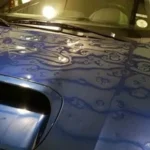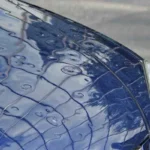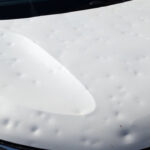
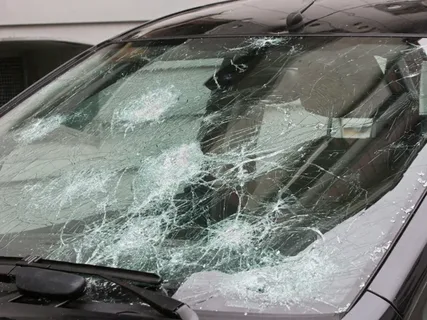
When severe weather rolls through North Texas, it brings more than just rain and wind; it often drops destructive hailstones that can leave your vehicle looking like the surface of the moon. Understanding the mechanics of how these impacts occur is the first step in protecting your investment. What You Should Know is that the combination of high wind velocity and frozen precipitation creates a terminal velocity impact capable of fracturing auto glass and warping heavy-duty sheet metal. For vehicle owners seeking professional Auto Hail Damage Repair in Fort Worth, TX, recognizing the physics behind these storms helps emphasize why immediate action and prevention are so vital.
The severity of the pitting depends on several variables: the size of the frozen stones, the speed of the downdrafts, and even the angle at which your vehicle is parked relative to the wind direction. While we cannot control the weather, understanding these factors allows us to take strategic steps to minimize the aftermath.
The Primary Culprits: What Causes the Dents?
It isn’t just the size of the ice that dictates the level of destruction to your car’s exterior. A combination of environmental elements works together during a severe weather event to compromise your vehicle’s body panels.
1. Velocity and Gravitational Pull
As frozen pellets fall from the upper atmosphere, they accelerate. By the time they reach the ground, they can travel at speeds ranging from 20 to over 100 miles per hour. When this high-speed ice collides with a stationary object like a car hood, the metal flexes past its elastic limit, creating a permanent indentation.
2. Wind-Driven Projectiles
Severe storms frequently generate straight-line winds or localized microbursts. These winds pick up loose debris—such as tree branches, gravel, or unsecured outdoor furniture—and propel them horizontally into your vehicle’s side panels, causing deep scratches and structural blemishes alongside the traditional rooftop pitting.
3. Thermal Shock
Rapid temperature drops during a summer storm can cause the metal panels of a sun-baked vehicle to contract suddenly. When freezing ice hits hot metal, the sudden thermal shock makes the clear coat brittle and more susceptible to microscopic fracturing during an impact.
Proactive Strategies to Prevent Storm Dents
The absolute best way to handle severe weather is to avoid the impact altogether. While you cannot stop a storm from forming, implementing these preventative measures can shield your car from costly restoration bills.
Utilizing Covered Structures
The most effective line of defense is a physical barrier. If a severe weather warning is issued, prioritize moving your car into a fully enclosed garage or under a structural carport. If you are away from home, seek out public parking garages, gas station awnings, or bank drive-thrus to shelter your vehicle temporarily until the cell passes.
Investing in Specialized Hail Blankets
For those without access to covered parking, heavy-duty automotive impact blankets are an excellent alternative. Unlike standard tarps, these specialized covers feature multiple layers of impact-absorbing foam designed to disperse the energy of falling ice. If a sudden storm catches you off guard, these blankets can mean the difference between a clean vehicle and an extensive insurance claim.
Temporary Emergency Tactics
If you are caught completely unprotected and a storm is imminent, you can improvise using thick household items. Layering heavy quilted blankets, comforters, or even yoga mats over the hood, roof, and trunk can absorb enough kinetic energy to mitigate severe damage. Secure these items tightly with bungee cords so the high winds do not blow them away.
Restoring Your Vehicle’s Value Post-Storm
If preventative measures fail and your vehicle sustains pitting, the path to recovery involves choosing the right restoration methodology. Modern automotive manufacturing relies heavily on preserving the factory exterior finish to maintain the vehicle’s long-term resale value.
This is where advanced Paintless Dent Repair (PDR) becomes indispensable. This technique utilizes specialized tools to gently reshape the metal from behind the panel without damaging the original paint layer. For residents in need of expert Auto Hail Damage Repair in Fort Worth, TX, choosing a local, trusted specialist guarantees that your car retains its structural integrity without the need for synthetic body fillers or non-factory paint matching.
Navigating the Restoration Process with Millennium Car LLC
When dealing with insurance companies and seeking quality craftsmanship, partnering with an established, permanent local facility is paramount. What You Should Know is that temporary “storm chaser” tents often pop up after major weather events, only to vanish a few weeks later, leaving car owners without a warranty or point of contact if issues arise.
By trusting a reputable brand like Millennium Car LLC, you ensure a seamless, professional experience from start to finish. Our team specializes in comprehensive automotive dent removal and works hand-in-hand with major insurance providers to streamline the claims process.
We perform a meticulous post-storm vehicle inspection using high-intensity specialized lighting systems to detect minor low spots that the untrained eye—and standard smartphone insurance apps—frequently miss. At Millennium Car LLC, we treat your asset with the highest level of care, ensuring it is returned to its pre-storm condition quickly and efficiently.
Summary: Actionable Steps for Vehicle Protection
- Monitor Weather Alerts: Stay informed about local meteorological updates and severe watches.
- Identify Shelters Ahead of Time: Know where covered parking is located near your home and workplace.
- Keep Protection Handy: Store an impact blanket or heavy comforters in your trunk during peak storm seasons.
- Act Quickly on Repairs: Schedule a professional evaluation immediately after a storm to prevent rust formation in micro-fractures.