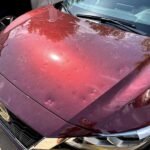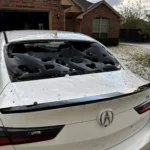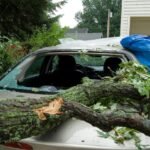
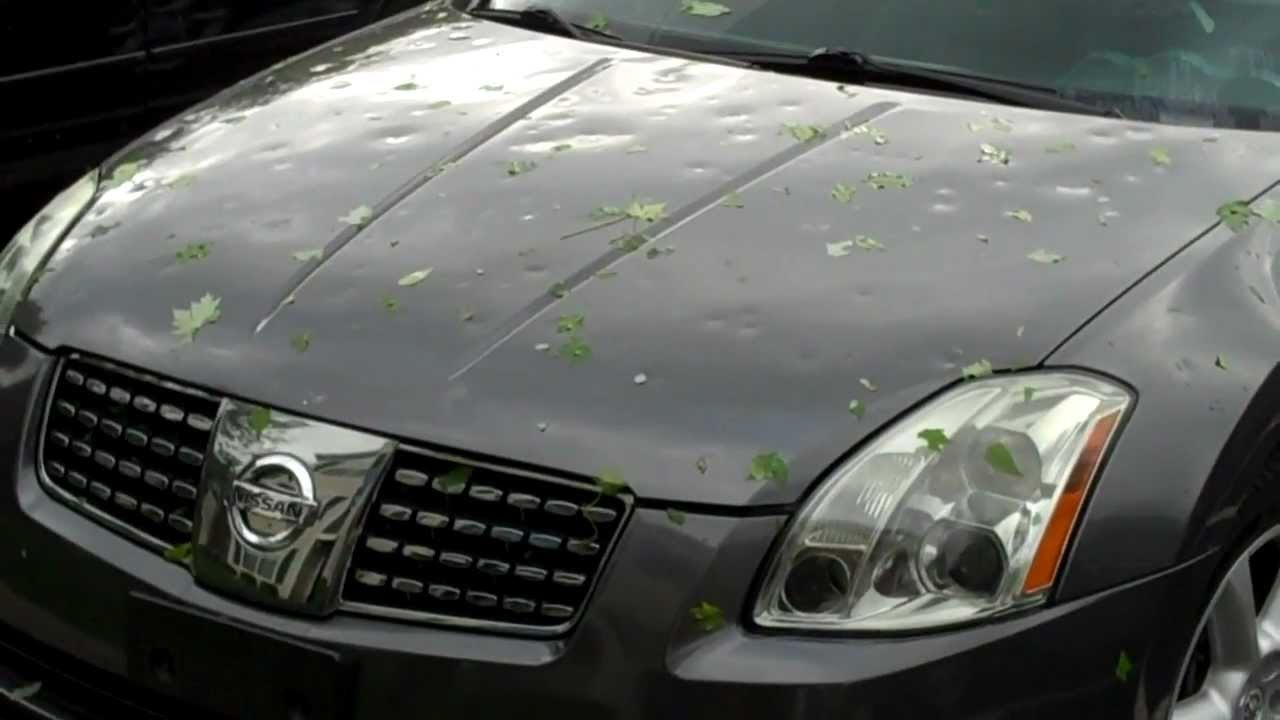
When a severe thunderstorm rolls through Parker County, it often leaves a path of subtle vehicle destruction in its wake. While shattered windshields or deeply cratered hoods are easy to spot immediately, smaller surface dimples, clear coat stress fractures, and subtle body creases frequently go unnoticed during a quick glance. What You Should Know is that taking time for a meticulous evaluation right after the weather clears is critical. Booking an early assessment for Auto Hail Damage Repair in Fort Worth, TX ensures that hidden surface impacts are identified before Texas summer heat, moisture, and daily driving vibration cause the underlying metal and clear coat to deteriorate further.
The Importance of Methodical Post-Storm Vehicle Inspection
Evaluating your vehicle after a severe storm requires more than a casual walkaround in your driveway. High-velocity ice impacts cause sheet metal to flex rapidly past its elastic limit, creating microscopic tension points underneath the paint surface.
Why Immediate Checks Are Vital:
- Preventing Hidden Oxidation: Micro-fractures in the clear coat allow rainwater and humidity to reach bare metal, starting the rust process.
- Streamlining Insurance Claims: Documenting fresh storm damage right away prevents insurance adjusters from claiming the impacts were pre-existing.
- Catching Glass Chips Early: Small glass chips along window borders rapidly turn into full windshield cracks when cabin temperatures rise.
Set Up the Right Environment for Inspection
To spot shallow dings and subtle metal distortion, you must control the lighting conditions. Inspecting a car under direct, harsh sunlight washes out contrast, making even deep surface craters invisible to the naked eye.
Optimal Inspection Conditions:
- Seek Indirect Shade: Park your vehicle inside a garage, under a carport, or in a shadowed area away from direct sunlight.
- Inspect During Twilight: Perform your evaluation during early morning or evening hours when natural light hits horizontal surfaces at an angle.
- Use Artificial Overhead Light: Utilize the bright LED lighting found under covered gas station awnings or commercial parking garages.
- Clean the Vehicle Surface: Dust, rainwater drops, and mud can easily mask small dimples. Wipe down the body panels with a soft microfiber cloth before checking.
Use Strategic Angles to Spot Surface Distortion
Standing directly in front of a door or hood obscures your depth perception, making it nearly impossible to detect subtle low spots. To perform a professional-grade visual check, you need to change your viewing position relative to the panel.
Angled Viewing Techniques:
- Crouch at a 45-Degree Angle: Stand at the corner of the vehicle and look across or along the body lines rather than straight at them.
- Track Ambient Reflections: Watch how straight lines from surrounding objects—such as roof edges, power lines, or overhead beams—reflect off your paint.
- Spot the Waves: If the reflected lines appear wavy, bent, or broken at any point on the panel, you have located a hail impact.
Systematically Check Primary Flat Surfaces
Because hail falls vertically from storm clouds, horizontal body panels absorb the highest kinetic energy and suffer the heaviest concentration of pitting. Examine these primary zones systematically:
Critical Horizontal Impact Zones:
- The Hood: Takes direct, high-velocity hits from falling ice and usually shows the highest density of surface dings.
- The Roof and Roof Rails: The structural frame rails along the top are made of thicker steel, but impacts here frequently damage rubber sunroof seals and roof rack moldings.
- The Trunk Deck Lid: Frequently overlooked on sedans, crossovers, and hatchbacks with sloped rear glass profiles.
Examine Vertical Panels and Secondary Impact Zones
Severe storms are almost always accompanied by powerful wind gusts that drive ice sideways, causing heavy secondary damage to vertical surfaces across the vehicle.
Secondary Damage Areas:
- Side Doors and Fenders: Look across door panels and quarter panels for shallow creasing caused by wind-driven ice.
- Side-View Mirror Housings: Plastic mirror covers frequently crack or sustain deep gouges from horizontal impacts.
- Headlight and Taillight Lenses: Acrylic light housings can develop hairline fractures that trap moisture and lead to electrical short circuits.
- Rubber Weather Stripping: Punctured window seals allow rainwater to enter door cavities, damaging interior speakers and electronics.
Choose Precision Paintless Restoration Over Invasive Bodywork
When your inspection reveals widespread pitting, choosing non-invasive Paintless Dent Repair (PDR) is the best way to restore your car without losing its factory value. PDR relies on specialized tools to massage dented metal back to its original contour from behind the panel.
Key Benefits of PDR:
- Preserves Original Factory Paint: Keeps factory clear coat layers completely intact without aggressive sanding or repainting.
- Eliminates Synthetic Fillers: Avoids the use of body putty like Bondo, which can crack or shrink over time under harsh heat.
- Protects Market Trade-In Value: Retaining original factory paint ensures cleaner vehicle history reports and higher resale appraisals.
- Shorter Repair Timelines: While traditional body shops take weeks to repaint panels, certified PDR dent repair can often be completed in just a few days.
Partnering with Millennium Car LLC for Certified Care
Taking decisive action with a trusted local facility ensures that your vehicle is fully restored and your insurance claim is handled without stress.
At Millennium Car LLC, we specialize in professional automotive storm restoration and non-invasive panel care. Knowing how severely a hailstorm damages your car over time when minor impacts are ignored, our master technicians use high-intensity LED matrix inspection lights to capture every single low spot, creased panel, and micro-crack across your vehicle.
Our team at Millennium Car LLC handles complete insurance claim management, coordinating directly with your adjuster to ensure your comprehensive coverage addresses all structural, glass, and trim repairs. As a permanent local business providing warrantied paintless ding repair, we deliver reliable, high-quality craftsmanship that restores your vehicle to pre-storm showroom condition.
Conclusion
Conducting a thorough, structured check after a severe storm is the single most effective way to protect your vehicle’s safety, appearance, and resale value. By setting up indirect lighting, inspecting panels at sharp 45-degree angles, checking both horizontal surfaces and wind-driven vertical zones, and avoiding risky DIY repair shortcuts, you ensure that no hidden damage goes unaddressed. Partnering with a dedicated local repair specialist guarantees that your insurance claim is managed professionally and that every point of impact is restored using certified paintless techniques. Taking action promptly preserves your factory finish, protects your equity, and gives you total peace of mind for the road ahead.