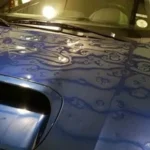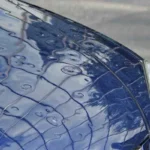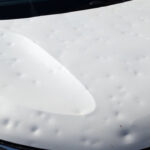
When a severe North Texas storm passes through, it often leaves a trail of dimpled hoods, roofs, and trunks in its wake. For car owners dealing with the aftermath, finding reliable Auto Hail Damage Repair in Fort Worth, TX is the top priority. What You Should Know is that traditional body shop methods—which involve heavy sanding, synthetic fillers, and complete repainting—are quickly becoming obsolete for storm-related blemishes. Instead, the automotive industry relies on a highly specialized technique known as Paintless Dent Removal (PDR). This process manipulates the metal back into its factory shape without altering the exterior finish.
Understanding how this meticulous process works can help you make an informed decision when choosing a service provider to restore your vehicle’s aesthetic and structural integrity.
Step 1: Meticulous Post-Storm Inspection and Lighting Setup
The process cannot begin without a comprehensive evaluation of the surface. Technicians do not simply look at the car under normal shop lights or sunlight; doing so would cause them to miss dozens of micro-lows.
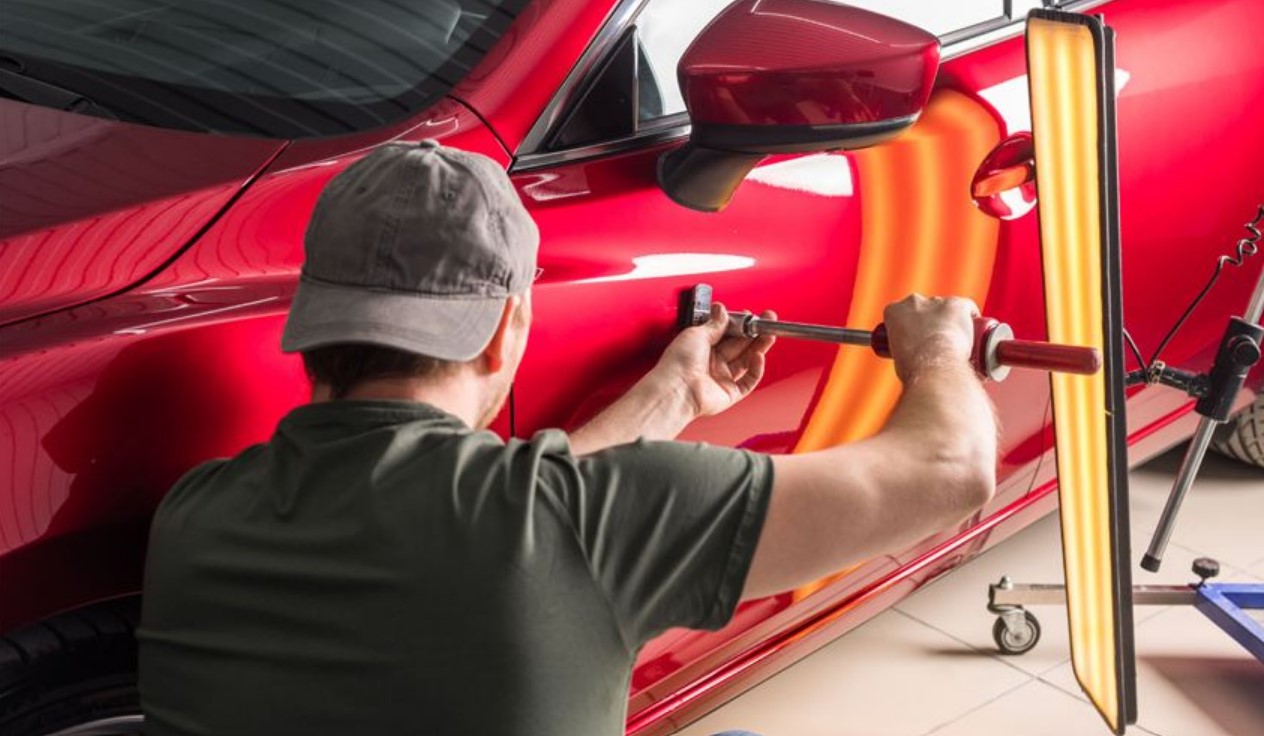
Instead, specialists use specialized LED light boards or reflection panels. These lights cast parallel lines across the vehicle’s body panels. When a dent is present, those straight lines distort, bend, or break. This visual guide allows the technician to map out the exact entry points, depths, and boundaries of every single indentation on the sheet metal.
Step 2: Gaining Access Behind the Panels
PDR is an art of patience that works from the inside out. To repair a dent properly, the technician must gain access to the reverse side of the damaged body panel.
Common Disassembly Steps Include:
- Hood and Trunk: Removing the inner fabric liners, heat shields, or soundproofing insulation.
- Roof Panels: Carefully dropping the interior headliner without creasing the fabric.
- Side Doors: Removing interior door panels, window glass, or weather stripping to slide tools into the door cavity.
By systematically removing these components, the technician ensures they have a direct, unobstructed line of sight and tool leverage to fix the warped metal.
Step 3: Selecting the Right Dent Extraction Tools
No two dings are identical, meaning a single tool cannot fix a whole car. A professional technician utilizes an array of custom-designed tools crafted from high-carbon steel or spring steel.
These include long, thin rods, whale tails, flat bars, and hand tools with interchangeable rubber, plastic, or polished steel tips. The variety of shapes and curves allows the specialist to navigate tight bracing, internal structural supports, and complex body contours without causing further stress to the metal.
Step 4: The Meticulous Metal Massaging Process
This is the core of the car dent restoration process. Using the custom rods, the technician applies precise, calculated pressure to the back of the dent.
Rather than pushing the entire dent out with one aggressive force, they perform hundreds of tiny, microscopic pushes around the perimeter, gradually spiraling inward toward the center. This slow movement respects the “memory” of the metal, encouraging it to return to its original form. If a push goes too high, they use a specialized nylon knockdown tool and a lightweight hammer to gently tap the high spot back down from the outside.
Step 5: Glue Pulling for Inaccessible Areas
Sometimes, internal bracing or double-walled steel panels make it physically impossible to get a tool behind the dent. In these specific scenarios, technicians utilize an advanced technique called glue pulling.
They apply a specialized, high-strength hot glue to a plastic tab and place it directly into the center of the shallow spot from the outside. Once the glue cools and bonds with the clear coat, a slide hammer or mini-lifter is attached to the tab. The technician carefully pulls upward to lift the low area. The glue is then completely dissolved using isopropyl alcohol, leaving the factory paint completely unharmed.
Step 6: Final Quality Control and Reassembly
Once the lines on the reflection board run perfectly straight across the panels, the repair is nearly complete. One of the best ways to protect your vehicle’s long-term resale value is to ensure that the final fit and finish match factory standards.
At this stage, reputable facilities like Millennium Car LLC perform a multi-point quality check under different lighting angles. Once cleared, the interior panels, headliners, and trim pieces are carefully reassembled, ensuring all factory clips and electronic connections are secure.
Why Choose Millennium Car LLC for Your PDR Needs?
The success of a paintless repair relies entirely on the skill and experience of the person holding the tool. One wrong push can crack the paint, turning a seamless fix into an expensive repainting job.
At Millennium Car LLC, our certified technicians treat every vehicle with extreme precision. We specialize in navigating the complex insurance claims process, working directly with adjusters to ensure your comprehensive coverage handles the investment. By keeping your original factory paint intact, we help you avoid diminished vehicle value and eliminate the risk of future paint peeling or color mismatches.
Summary: The Paintless Advantage
- Preserves Original Paint: Maintains the factory e-coat and clear coat protection.
- No Color Matching Issues: Eliminates the risk of mismatched panels or overspray.
- Faster Turnaround: Most hail-damaged vehicles can be fully restored in a fraction of the time required by traditional body shops.
- Environmentally Friendly: Avoids the use of toxic body fillers, primers, and chemical paints.