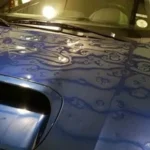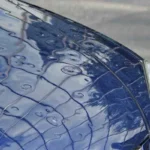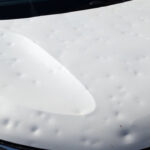
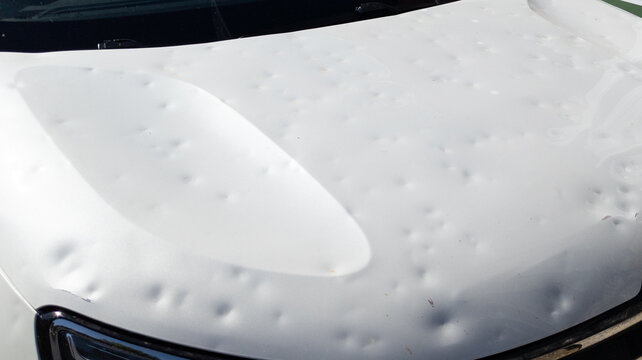
Timing is everything when it comes to vehicle maintenance, especially after a heavy storm rolls through North Texas. Many drivers wonder if they should wait until the end of the season to address the pockmarks left behind by ice and wind-blown debris. However, delaying the process can lead to complications with insurance and the physical integrity of the car’s body. If you are noticing dings on your hood or roof, seeking professional Auto Hail Damage Repair in Fort Worth, TX as soon as possible is the best way to ensure your vehicle is restored to its pre-storm condition without unnecessary hurdles.
The Statute of Limitations on Insurance Claims
One of the biggest factors in determining if it is “too late” is your insurance policy. Most comprehensive insurance providers have a specific window—often ranging from six months to one year—within which you must file a claim for weather-related incidents. If you wait too long, the insurance company may argue that the damage occurred during a different event or that neglect allowed the problem to worsen, potentially leading to a denied claim.
Furthermore, filing early prevents the issue of “unrelated prior damage.” If your car is hit by a second storm before the first set of dents is fixed, it becomes much more difficult for adjusters to distinguish between the two events, which can complicate your payout and prolong the restoration process.
The Risk of Paint Degradation
While modern automotive paint is incredibly resilient, it isn’t invincible. When a hailstone or ice pellet creates a sharp indentation, it puts immense stress on the clear coat and paint layers. Over time, the expansion and contraction of the metal due to temperature changes can cause these stressed areas to crack or flake.
Once the paint surface is compromised, the underlying metal is exposed to oxygen and moisture. This is when a simple fix turns into a major problem. If rust begins to form inside the dent, you move beyond the realm of simple dent removal and into the territory of expensive bodywork and repainting. Acting quickly allows technicians to use non-invasive methods before environmental factors take their toll.
Where Do Cars Get Hit the Hardest?
When assessing whether a repair is still viable, it helps to understand where cars get hit the hardest during a typical storm. The horizontal surfaces, such as the roof, trunk, and hood, usually sustain the most direct impact and the deepest indentations. These areas are also the most exposed to the sun’s UV rays, which can accelerate the breakdown of the paint around a dent. If the damage is located on these primary panels, the “expiration date” for a clean, paintless fix is much shorter than it would be for a vertical side panel.
Preserving Resale Value with Millennium Car LLC
Waiting too long to address exterior issues can have a permanent impact on your car’s financial value. Even if you don’t mind the aesthetic “dimples,” a professional appraiser or a potential buyer certainly will. Visible storm damage is often a red flag that suggests the owner may have also neglected mechanical maintenance.
By partnering with Millennium Car LLC, you can ensure that the job is done correctly using the latest techniques in the industry. Specialized services like cold-press dent lifting and precision surface calibration can work wonders, but they are most effective when the metal has not been stretched or aged for years in a damaged state.
Is Your Car Still a Candidate for PDR?
Paintless Dent Repair (PDR) is the gold standard for fixing storm-related dings, but it requires the metal to be “pliable” and the paint to be intact. If you wait years to fix a dent, the metal can lose some of its original memory, making it harder to return to its factory shape perfectly. To determine if it is too late for your specific vehicle, look for the following:
- Cracked Paint: If the paint is already peeling, PDR may not be an option.
- Deep Creases: Very sharp, old creases might have stretched the metal beyond its limit.
- Surface Rust: Any sign of orange or brown oxidation means traditional bodywork is likely required.
Final Verdict: Don’t Wait
In reality, it is rarely “too late” to fix a dent from a mechanical perspective, but it can certainly become too expensive or too complicated if you wait. Between insurance deadlines and the threat of corrosion, the window for a fast, affordable, and seamless repair is smaller than most people think.
Whether you are dealing with a few minor pips or significant structural dings, getting an expert opinion early is the smartest move you can make. Taking care of your vehicle today ensures that it remains a reliable, high-value asset for years to come, regardless of what the Texas weather throws your way.