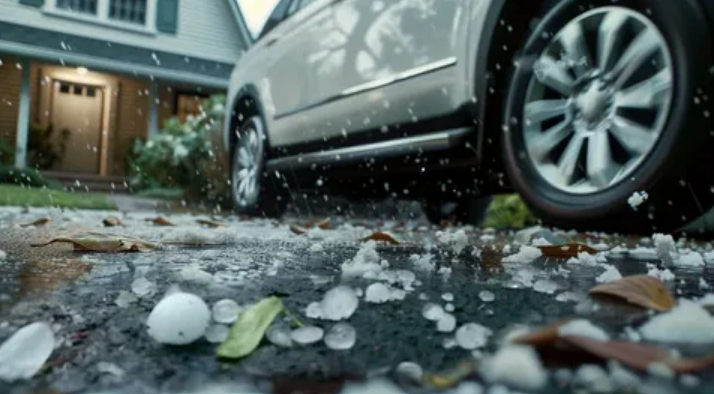
Seasonal storms in North Texas are notorious for their intensity, often bringing a mix of high winds, heavy rain, and the dreaded ice pellets. For vehicle owners, these storms are a constant source of anxiety because of the potential for expensive bodywork. Understanding where your vehicle is most vulnerable and seeking professional Auto Hail Damage Repair in Fort Worth, TX is the best way to ensure your car remains in peak condition after the clouds clear. By identifying the “hit zones,” you can take better precautions, such as using protective covers or seeking shelter before the first stone falls.
The Roof and Sunroof: High-Impact Zones
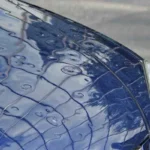
The roof is almost always the most damaged area of any vehicle during a storm. Because it is a large, flat, horizontal surface, it takes the full force of falling ice with zero deflection. Unlike the sides of the car, which might receive a glancing blow, the roof absorbs the kinetic energy of every frozen pellet.
If your car features a sunroof or a panoramic glass roof, the stakes are even higher. While automotive glass is tempered and reinforced, a direct hit from a large enough ice pellet can cause “shattering” or complex cracks. Replacing these glass components is often far more expensive than standard sheet metal restoration, making the roof the primary area of concern for insurance adjusters.
The Hood and Trunk Lid
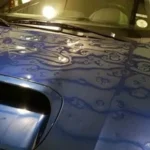
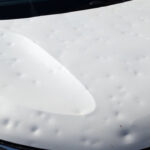
The hood and trunk are the next most likely areas to suffer from “pitting” or “bruising.” Modern vehicles are often designed with thinner, lightweight aluminum hoods to improve fuel efficiency. While great for mileage, these materials are much more susceptible to denting than the heavy steel frames of the past.
Damage to the hood is not just a cosmetic issue; if the dents are deep enough, they can interfere with the latching mechanism or affect the aerodynamics of the vehicle at high speeds. During a professional assessment, technicians often look for “micro-creases” along the edges of the hood where the metal is under the most tension.
Pillars and Side Panels
While the top of the car takes the brunt of the fall, the pillars (the vertical supports that hold up the roof) and the side panels are not immune. If a storm is accompanied by high-velocity winds, ice pellets can be driven sideways, impacting the doors and fenders.
Damage to the A-pillars (next to the windshield) or C-pillars (near the rear window) is particularly tricky. These areas are structurally reinforced, meaning the metal is thicker and harder to manipulate. Unlike the middle of a door, which has some “flex,” a dent in a pillar often requires specialized tools and a higher level of expertise to restore without damaging the internal frame.
Lighting and Trim Components
It is easy to overlook the plastic and acrylic components of a car, but they are frequently the first to break. Headlight assemblies and taillights can crack upon impact, allowing moisture to enter the housing. Once moisture gets inside, it can short out the bulbs or cause the reflective interior to corrode.
Similarly, chrome trim, side mirrors, and plastic grilles are highly brittle. A single well-placed ice pellet can snap a plastic grille slat or leave a permanent mark on a decorative chrome strip. These small parts can add up quickly in a repair estimate, often surprising owners who only focused on the metal dents.
Professional Restoration Strategies
When the storm subsides, it is critical to safely inspect your vehicle for any signs of compromise. Look for dimples that are only visible when the light hits the paint at an angle. For residents in the area, Millennium Car LLC offers comprehensive evaluations to catch these subtle issues before they lead to paint failure or rust.
Utilizing “paintless dent removal” (PDR) is the most effective way to handle these hit zones. Since this method doesn’t involve heavy fillers or non-factory paint, your car’s original finish remains intact. This is especially important for the hood and roof, where color-matching new paint can be extremely difficult due to sun fading.
Protecting Your Investment
To minimize the impact on these hard-hit areas, consider investing in a “hail blanket” or “padded car cover” if you do not have access to a garage or carport. These covers are specifically designed to absorb the impact of ice pellets and can be the difference between a clean car and a total insurance loss.
If you do sustain damage, working with a reputable brand like Millennium Car LLC ensures that your “storm damage claim” is handled professionally. Beyond just fixing the metal, experts can check for “hidden glass chips” and “molding alignment” issues that the untrained eye might miss.
Final Thoughts on Storm Preparedness
North Texas weather is unforgiving, but being informed about where your car is most vulnerable allows you to act fast. From the roof down to the headlights, every inch of your vehicle is at risk when the sky turns gray. Quick action, thorough documentation, and choosing the right repair partner will help you navigate the storm season with confidence, ensuring your vehicle stays as resilient as possible.