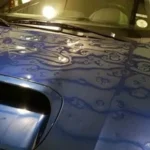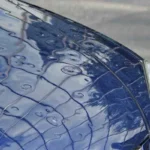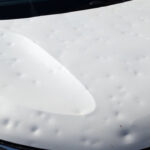
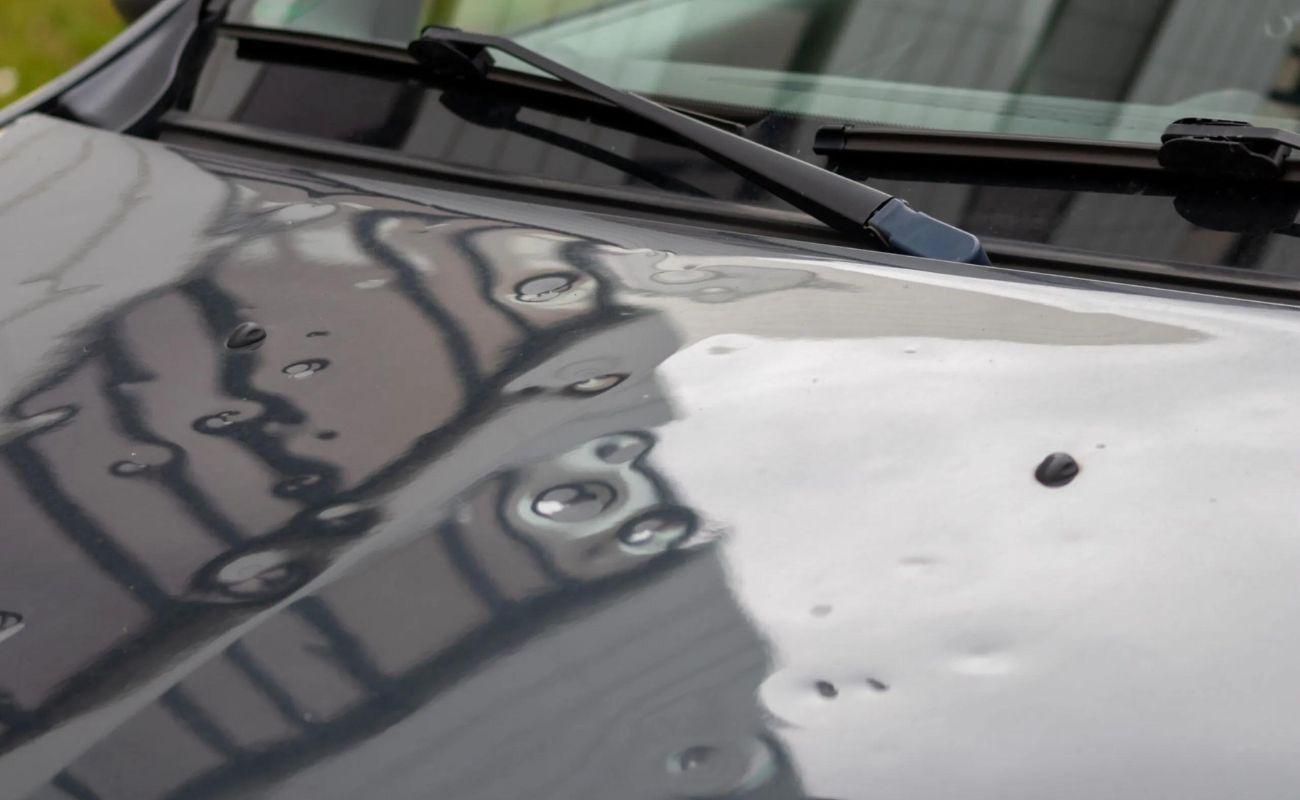
Living in the heart of North Texas means that hail is an inevitable part of vehicle ownership. While some storms only leave behind “beauty marks,” others can be devastating. Many drivers ask themselves if they should wait until the end of the storm season to seek out Auto Hail Damage Repair in Fort Worth, TX. The logic seems sound—why fix it now if another storm is coming next week? However, the window for a perfect, invisible repair is smaller than you might think. Waiting too long doesn’t just hurt your car’s look; it can lead to permanent structural degradation.
What You Should Know is that the “golden window” for repair is usually within the first few months following the impact. While metal has a “memory” that technicians use to massage dents back into place, that memory fades as the metal settles into its new, deformed shape over the years of heat cycles and vibration.
The Risk of the “Wait and See” Approach
When you leave hail dents untreated, you aren’t just looking at aesthetic flaws. Texas heat is brutal on automotive exteriors. As the metal expands in the 100°F sun and contracts during cool nights, the stress points created by the hail strikes begin to fatigue.
- Micro-Cracking: Even if the paint looks fine initially, the impact point is a high-stress zone. Over time, the clear coat can develop microscopic fractures.
- Oxidation and Rust: Once moisture or road salt finds those micro-cracks, rust begins to form beneath the paint. Once a dent starts to rust, it is officially “too late” for simple Paintless Dent Removal (PDR).
- Diminished Resale Value: A vehicle with “unrepaired hail” on its history report is a red flag for buyers. It suggests the owner may have neglected other maintenance as well.
When Cosmetic Damage Becomes Structural
If hail hits the pillars of your car (the vertical supports around your windows), the damage is more than skin deep. These areas are reinforced for rollover safety. If these are badly dented and left to weaken through corrosion, the safety cell of your vehicle could be compromised. This is why a professional vehicle inspection is crucial immediately after a storm.
For high-quality restoration, Millennium Car LLC’s specialized technicians use forensic lighting to see if the impact has compromised the “e-coat”—the factory corrosion protection layer. If that layer is gone, the clock is ticking loudly.
The Insurance Deadline Factor
Perhaps the biggest “too late” involves your insurance policy. Most Texas insurance providers have a statute of limitations on when you can file a hail claim—often ranging from 6 months to one year from the date of the storm.
- Date of Loss: You must be able to identify which specific storm caused the damage.
- Multiple Claims: If you have “old” damage and a new storm hits, the adjuster may deduct the value of the old damage from your payout, leaving you with a massive out-of-pocket expense.
- Total Loss Threshold: If you wait until your car has been hit by three different storms, the cumulative cost to restore a car after a hailstorm might exceed the vehicle’s total value, leading the insurance company to “total” a perfectly drivable car.
Why PDR is the Preferred Solution
Modern automotive dent restoration techniques have evolved. In the past, shops used “Bondo” or body filler and cheap paint, which would eventually fade or crack. Today, experts at Millennium Car LLC utilize specialized tools to reach behind the panels and push the metal back to its original factory specifications.
This process preserves the original paint, which is the most durable coating your car will ever have. However, PDR requires the metal to be somewhat “pliable.” If the dents have been there for five years and the metal has “work-hardened” in that position, it becomes much more difficult—and expensive—to fix.
Signs It Might Be Too Late for Simple Repairs
While almost anything can be fixed with enough money, it becomes “too late” for affordable, non-invasive repairs when:
- Paint Flaking: If the paint is already peeling away from the center of the dent.
- Deep Creasing: If the hail strike was so sharp it “creased” the metal rather than just denting it.
- Surface Rust: If you see even a speck of orange or brown inside the indentation.
- Compromised Seals: If window moldings or weatherstripping have begun to dry rot or crack around the impact zones.
Choosing the Right Collision Experts
When searching for exterior car body fixes, don’t just go to the cheapest “tent” set up in a parking lot after a storm. You need a team that understands Fort Worth hail restoration standards. Using a local, established business ensures that if a repair needs adjustment later, you know exactly where to find them. What You Should Know is that many “storm chasers” disappear as soon as the sun comes out, leaving you with no warranty and potentially botched work.
Conclusion: Don’t Wait for the Next Cloud
In the world of Texas weather, “later” often means “too expensive.” By addressing hail damage early, you keep your insurance premiums honest, maintain your car’s resale value, and prevent the slow creep of rust. Whether it’s a few small dings or a major hood-to-trunk battering, professional intervention is the only way to ensure your vehicle survives the next season.