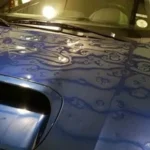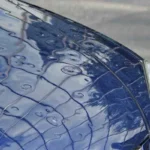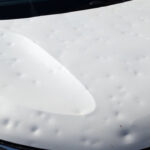
When a major storm rolls through North Texas, the aftermath is often a sea of dimpled hoods and pockmarked roofs. If you find yourself searching for Auto Hail Damage Repair in Fort Worth, TX, you are likely looking for a solution that doesn’t involve your car sitting in a body shop for a month. This is where Paintless Dent Removal (PDR) comes in—a specialized craft that has become the industry standard for restoring vehicles to their pre-storm condition without the need for traditional body fillers or repainting.
What You Should Know is that PDR is not just a “quick fix”; it is a highly technical process that requires a deep understanding of metal metallurgy and specialized tool handling. Unlike old-school methods that sand down your factory finish, PDR works from the inside out.
The Science of Metal Memory
Every vehicle panel is manufactured with “metal memory.” During the stamping process at the factory, the metal is pressed into a specific shape. When hail hits, it creates a localized tension point that displaces that shape.
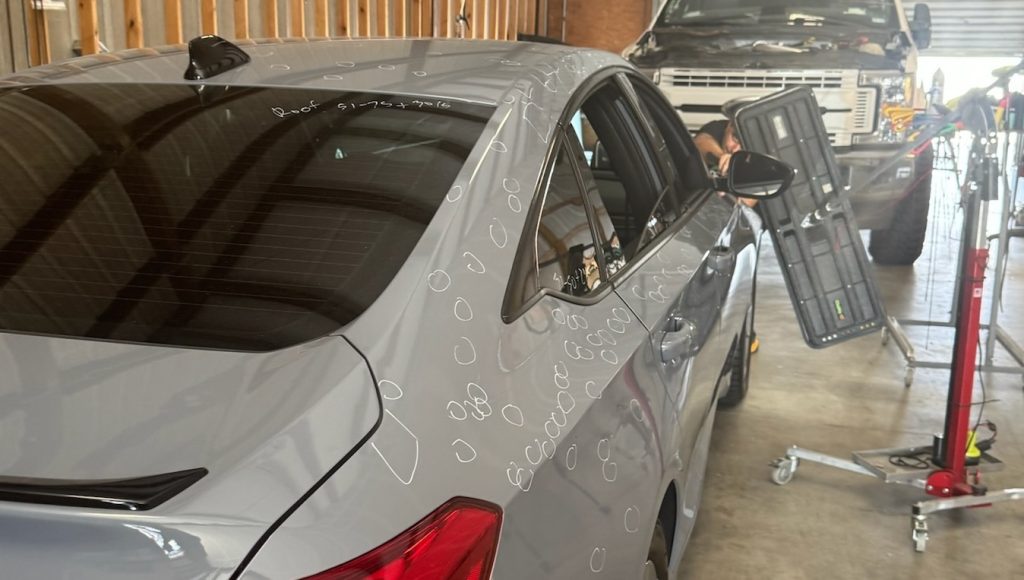
The goal of a professional technician is to release that tension. By using high-intensity LED light boards, technicians can see the microscopic shadows and distortions in the reflection of the paint. They then use long, stainless steel rods and “whale tails” to reach behind the body panels and apply precise pressure to the underside of the dent. This process literally massages the metal back into its original, tension-free state.
Why the Factory Finish Matters
One of the biggest advantages of choosing Millennium Car LLC for your storm recovery is the preservation of your car’s original paint. Most people don’t realize that factory paint is applied in a controlled environment and cured at high temperatures that cannot be replicated in a standard repair shop.
- No Color Mismatching: Since no new paint is applied, you never have to worry about the hood not quite matching the fenders.
- Resale Value: A vehicle with its original paint is worth significantly more than one that has been “bondoed” and repainted.
- Eco-Friendly: Because PDR doesn’t use chemicals, fillers, or toxic paints, it is the most environmentally friendly way to handle hailstone impact restoration.
Assessing the Damage: Is Your Car a Candidate?
Not every dent can be fixed with PDR, but about 80-90% of hail damage is perfectly suited for it. The process is ideal for:
- Smooth Dents: Impacts that haven’t stretched the metal to a sharp point.
- Intact Paint: As long as the hail didn’t crack or chip the clear coat.
- Large-Scale Repair: When a car has 200+ small hits, traditional bodywork is cost-prohibitive, but PDR can handle the volume efficiently.
If the metal is torn or the dent is located on the very edge of a double-walled panel, traditional automotive collision repair might be necessary. However, for the vast majority of Texas residents, PDR is the faster, cleaner choice.
The Insurance Advantage
Insurance companies actually prefer Paintless Dent Removal. Because it is less labor-intensive than replacing entire panels, it keeps the cost of the claim lower, which can sometimes help prevent your vehicle from being declared a “total loss” if the damage is extensive.
When you work with Millennium Car LLC, the process of filing a hail claim becomes much simpler. We provide a detailed damage appraisal that insurance adjusters trust, ensuring that every single “ping” is accounted for in the estimate. This professional documentation is crucial for vehicle value protection following a catastrophic weather event.
Quick Turnaround for Busy Texans
We know that being without a vehicle in the DFW metroplex is a massive inconvenience. Traditional body shops might keep your car for three to four weeks as they wait for parts and paint to dry. In contrast, a team that can effectively fix hail dents using PDR techniques can often have your vehicle back on the road in a matter of days. This efficiency is why Auto Hail Damage Repair in Fort Worth, TX has shifted so heavily toward paintless methods.
Final Thoughts on Storm Recovery
Choosing the right repair method is about more than just looking good in the driveway; it’s about the long-term health of your vehicle. By utilizing PDR, you maintain the structural integrity of your car’s body panels and ensure that the factory-sealed corrosion protection remains unbroken. What You Should Know is that the best time to address hail damage is immediately after the storm, before the heat of the Texas sun causes the metal to expand and contract, potentially setting the dents further.