North Texas is a notorious hotspot for volatile weather, often sitting right in the crosshairs of “Tornado Alley.” For car owners, this means that every spring and fall brings a high risk of significant exterior damage. When the sirens wail and the ice starts falling, the aftermath is rarely just a few surface scratches. If you’ve recently weathered a storm, seeking a professional for Auto Hail Damage Repair in Fort Worth, TX, is the most reliable way to ensure your vehicle hasn’t suffered structural or long-term compromises that are invisible to the untrained eye.
The Physics of Falling Ice: Impact Energy
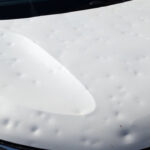
What You Should Know is that the damage caused by hail isn’t just about the size of the stone; it’s about the velocity and the angle of impact. A golf-ball-sized hailstone falling from a high-altitude thunderstorm can reach speeds of nearly 40 to 60 mph. When that mass hits the relatively thin aluminum or steel panels of a modern car, the energy transfer is immense.
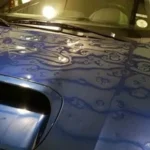
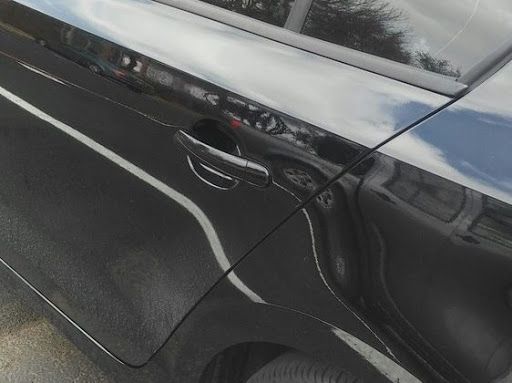
While the hood and roof take the brunt of the vertical hits, North Texas storms are often accompanied by high winds. This creates “directional hail,” where the side panels, door handles, and side-view mirrors—components not typically designed for heavy impact—suffer heavy denting. This specialized damage often requires a certified hail technician to evaluate the tension points of the metal.
The Hidden Danger: Micro-Fractures and Clear Coat Failure
Many drivers make the mistake of assuming that if the paint isn’t missing, the car is fine. However, the force of a hailstone causes the metal to stretch and then snap back. This rapid movement can create microscopic fractures in the clear coat. Over time, Texas’s intense UV rays and heat expansion cause these tiny cracks to widen.
This is where a reputable service provider like Millennium Car LLC adds immense value. By using high-intensity reflection boards, technicians can spot the “shadows” of these microscopic fractures. If left unaddressed, moisture enters these cracks, leading to delamination—where your paint literally begins to peel away from the body of the car months after the storm has passed. Using Paintless Dent Removal (PDR) early on can prevent the need for a full, expensive repaint later.
Why Modern Vehicle Materials Matter
In an effort to improve fuel efficiency, many manufacturers have switched from heavy steel to lightweight aluminum and high-strength composites. While these materials are great for gas mileage, they have different “elasticity” profiles than old-school steel.
- Aluminum Panels: Aluminum is stiffer than steel. Once it is dented, it is much harder to “massage” back into its original shape. It requires specialized PDR tools and a higher level of expertise.
- Sensor Interference: Modern cars are packed with technology. Hail strikes on the trunk or bumper can shift the alignment of backup cameras and blind-spot monitors.
- Acoustic Glass: Many newer vehicles use thinner, acoustic-laminated glass for a quieter ride. This glass is highly susceptible to “pitting” from hail, which can weaken the structural integrity of the windshield during a rollover accident.
Navigating the Insurance Claim Process
After a massive storm in North Texas, insurance companies are often overwhelmed. It is common for adjusters to perform “quick look” estimates in parking lots under poor lighting. These initial estimates frequently undercount the actual number of hits by 30% to 50%.
Working with Millennium Car LLC ensures that your vehicle is inspected in a controlled environment. We help document every single impact point, ensuring that your comprehensive insurance coverage actually pays for the total restoration of the vehicle rather than a partial “patch job.” This documentation is crucial for maintaining your car’s resale value and ensuring your Carfax report doesn’t reflect permanent, unrepaired damage.
Knowing When to Call the Experts
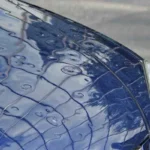
It can be difficult for the average person to determine if their vehicle needs professional dent repair or if the damage is purely cosmetic. A good rule of thumb: if you can feel the dent with your fingernail, or if the reflection in the metal looks “wavy” from a distance, the structural tension of the panel has been altered. Ignoring these signs doesn’t just hurt the look of the car; it makes the metal more prone to oil-canning (popping in and out) and future corrosion.
The Long-Term Financial Impact
Texas has a “diminished value” reality. If you try to sell a car with even minor hail “pings,” buyers will assume the vehicle hasn’t been maintained. Professional hail restoration is an investment in your equity. By utilizing PDR (Paintless Dent Repair), you keep the factory paint intact, which is the single most important factor in retaining a vehicle’s original market value.
Conclusion
Hailstorms in North Texas are an inevitable part of life, but the damage they leave behind shouldn’t be permanent. From protecting your paint’s clear coat to ensuring your safety sensors are still calibrated, a professional post-storm inspection is essential. Don’t let a “few small bumps” turn into a rusted-out body or a failed trade-in valuation.