Texas is famous for many things—barbecue, high school football, and, unfortunately, hailstorms that can turn a pristine car into a golf ball in a matter of minutes. When the sky turns that ominous shade of green and the ice starts falling, your vehicle is on the front lines. Once the storm passes, you’re left with a stressful question: Is that damage just a cosmetic nuisance, or do you need to seek out Auto Hail Damage Repair in Fort Worth, TX, immediately?
Knowing the difference between a “wait and see” situation and a “call the pros” emergency is vital for maintaining your car’s value and structural integrity. What You Should Know is that hail damage is often more deceptive than a standard fender bender. While a dented bumper is obvious, hail creates hundreds of micro-fractures and surface depressions that require a keen eye to evaluate.
The Surface Level: Assessing Visible Dents
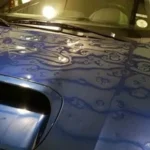
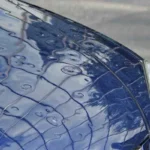
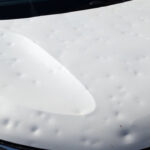
The most immediate sign of trouble is, of course, the visible impact craters. Texas hail can range from pea-sized to softball-sized, and each leaves a distinct footprint.
- Size and Depth: If you notice deep “V-shaped” dents, the metal has likely been stretched beyond its memory point. This usually requires specialized equipment to massage the metal back into place without cracking the paint.
- The Shadow Test: On a sunny day, look at the reflection of a straight line (like a fence or a garage door) on your car’s panels. If the line bends or distorts significantly, you have hidden denting that needs professional attention.
- Density of Impacts: A few scattered dents might feel manageable, but if a panel has more than 10 or 15 hits, the structural tension of the metal sheet is compromised.
Beyond the Metal: Paint and Seal Integrity
One of the biggest misconceptions about hail damage is that if the paint isn’t chipped, the car is fine. However, high-velocity ice impacts can cause “starring” or micro-cracks in the clear coat that aren’t visible to the naked eye.
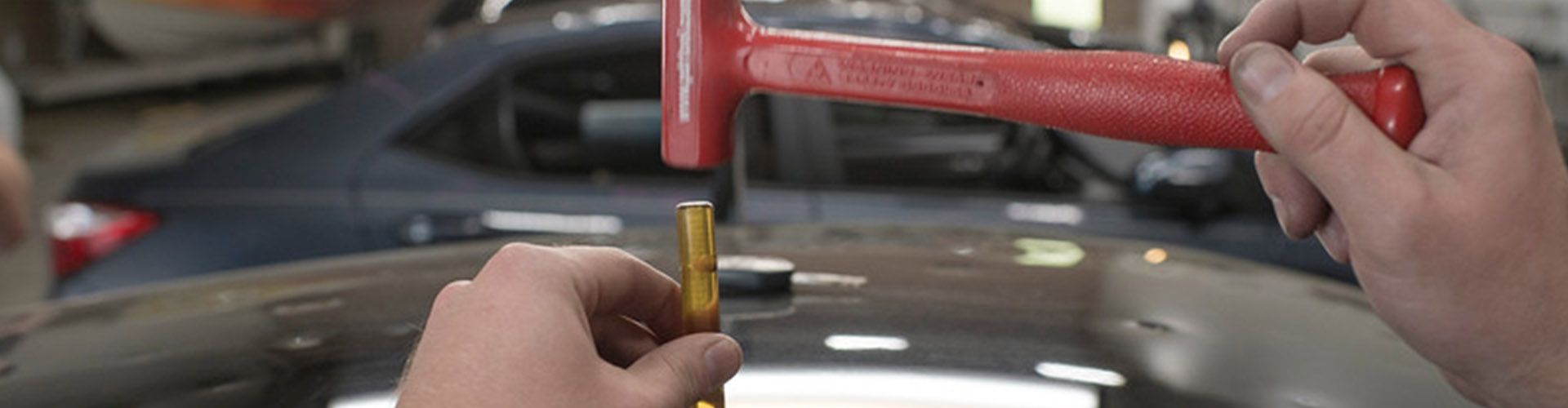
If these cracks are left unaddressed, moisture will eventually seep under the paint layer, leading to oxidation and rust. This is where Millennium Car LLC comes into play. Our specialists use high-intensity lighting to detect these fractures, ensuring that a simple dent doesn’t turn into a multi-panel rust repair job six months down the road. Professional paintless dent removal (PDR) is often the best solution here, as it preserves the factory finish while restoring the body shape.
Why Professional Inspection is Non-Negotiable
While it’s tempting to DIY a repair with a suction cup or a hairdryer trick you saw online, modern vehicles are complex machines.
- Sensor Calibration: Many modern cars have ADAS (Advanced Driver Assistance Systems) sensors located behind the body panels or near the windshield. A hail strike near a sensor can knock it out of alignment, rendering your lane-assist or automatic braking unreliable.
- Molding and Trim Damage: Hail often cracks the plastic cowls near the wipers or the chrome molding around windows. These are “secondary” damages that owners often miss, but insurance adjusters look for.
- Windshield Stress: Even if your windshield didn’t shatter, a heavy hail strike can create internal stress in the glass. A professional can determine if a small chip is a candidate for a quick resin fill or if the entire glass needs replacing for safety.
Navigating Insurance and Value
In the competitive landscape of Auto Hail Damage Repair in Fort Worth, TX, understanding the financial side is just as important as the mechanical side. Texas is a high-risk state, and insurance companies are well-versed in hail claims.
Choosing a reputable shop like Millennium Car LLC ensures that your claim is filed accurately. We work directly with adjusters to ensure no hidden damage is overlooked. What You Should Know is that failing to repair hail damage can result in “unrepaired damage” being noted on your vehicle’s history report, significantly tanking your trade-in value when you’re ready for an upgrade.
Common Red Flags That Require Immediate Action
If you notice any of the following after a storm, do not delay in seeking an estimate:
- Cracked Paint: If the paint is broken, the metal is exposed. Rust starts within days in humid Texas weather.
- Door Misalignment: If your doors or trunk no longer close “flush,” the hail may have caused enough surface tension change to slightly warp the panel alignment.
- Water Leaks: Check your headliner and carpets. Heavy hail can damage sunroof seals or window weatherstripping, leading to interior mold issues.
The Advantage of Paintless Dent Repair (PDR)
For most Texas residents, PDR is the gold standard for hail restoration. It is faster, more cost-effective, and—most importantly—it doesn’t involve body filler or non-factory paint. By choosing a professional team, you ensure that the specialized tools used to “massage” the metal are handled by technicians who understand the specific alloys used in your vehicle’s make and model.
Summary of What to Look For
Feature Minor (Monitor) Major (Requires Professional Repair)
Dent Size Less than 0.5 inches Larger than a nickel or deep “points.”
Paint Condition: Smooth and intact. Scratches, chips, or spiderweb cracks
Glass No visible marks Pitting, chips, or “bullseyes.”
Lights/Trim No cracks, Cracked lenses or loose chrome molding
Conclusion
A Texas hailstorm is a rite of passage for many vehicle owners, but it doesn’t have to be the end of your car’s aesthetic appeal. By being proactive and knowing the signs of deep-tissue damage, you can protect your investment. Remember, the goal of a professional repair isn’t just to make the car look good today; it’s to ensure the vehicle remains safe, rust-free, and valuable for years to come.