Texas is famous for its “everything is bigger” mentality, and unfortunately, that includes the intensity of its storms. From the scorching UV rays of the high summer to the violent “Dry Line” storms that march across the plains, your car’s exterior is constantly under siege. For residents in North Texas, finding reliable Auto Hail Damage Repair in Weatherford, TX, is often a seasonal necessity rather than a luxury. Understanding how these unique weather patterns impact your paint, metal, and glass is the first step in protecting your second-largest investment.
1. The Violent Cycle of Hailstone Impacts
In the Lone Star State, hailstorms are a byproduct of powerful updrafts in supercell thunderstorms. These storms can produce ice stones ranging in size from marbles to grapefruits.
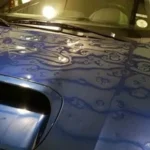
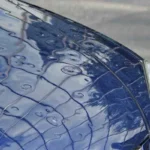
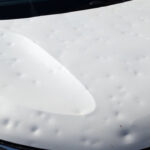
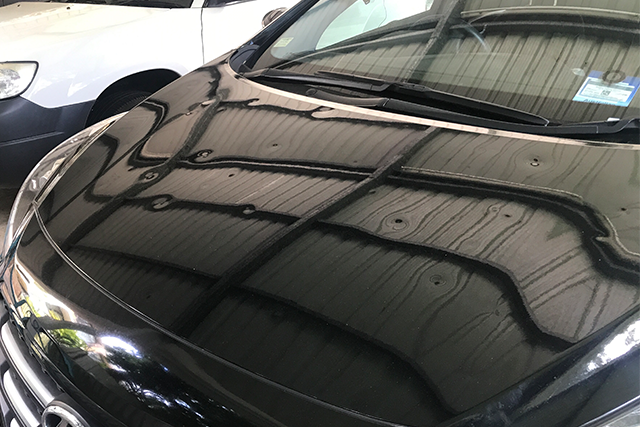
- Denting and Pitting: When hail strikes the flat surfaces of your car—the hood, roof, and trunk—it creates “impact craters.” These dents can stretch the metal and, if left untreated, lead to paint micro-cracking.
- The PDR Advantage: For most Texas drivers, Paintless Dent Removal is the preferred restoration method. Because it doesn’t involve heavy fillers or non-factory paint, it maintains the vehicle’s original integrity. Millennium Car LLC specialises in these techniques to ensure your car looks like the storm never happened.
2. Solar Degradation and UV Exposure
While the storms get the headlines, the Texas sun is a slow-moving predator for vehicle exteriors. The high UV index in the South can cause significant damage to your clear coat.
- Oxidation: Over time, constant sun exposure breaks down the chemical bonds in your paint. This leads to a cloudy, chalky appearance known as oxidation.
- Plastic Embrittlement: Trim pieces, headlight lenses, and rubber seals are particularly vulnerable. The sun leaches the oils out of these materials, causing them to crack or turn yellow. Using ceramic coatings or high-quality waxes can provide a sacrificial layer of protection against this solar damage.
3. High-Velocity Wind and Particulate Sandblasting
Texas is a windy state, particularly in the open corridors of the West and North. When severe weather fronts move in, they carry more than just rain; they have the landscape itself.
- Abrasive Debris: High winds pick up sand, dirt, and gravel, essentially sandblasting your front bumper and grille. This results in thousands of tiny paint chips that can eventually lead to rust.
- Projectiles: During tornadic activity or straight-line winds, even small twigs or shingles become dangerous. These can cause deep scratches and gouges that penetrate through the primer to the bare metal.
4. Flash Floods and Acid Rain
Texas weather is often a game of extremes—prolonged droughts followed by torrential downpours. Both ends of the spectrum affect your exterior.
- Mineral Deposits: Rainwater in industrial or high-dust areas can be slightly acidic. When this water evaporates off a hot hood, it leaves behind water spots or mineral etchings that are incredibly difficult to remove without professional polishing.
- Corrosive Undercarriage Damage: Driving through flash flood waters doesn’t just risk the engine; the mud and debris trapped in the undercarriage can hold moisture against the frame, leading to premature frame corrosion.
5. The Critical Role of Professional Assessment
The damage from a Texas storm isn’t always visible to the naked eye under garage lighting. Tiny fractures in the clear coat or hidden dents along the body lines can be easily missed by an untrained observer. This is why Vehicle Inspections Matter After Severe Weather; a professional eye can spot issues that might lead to rust or structural weakness down the road. At Millennium Car LLC, we provide comprehensive evaluations to catch these “hidden” problems before they devalue your trade-in or lease-return.
6. Protecting Your Resale Value
In the competitive Texas used car market, a clean “Carfax” and a flawless exterior are worth thousands of dollars. Weather-related wear and tear is often classified as “cosmetic,” but to a buyer, it signals a lack of maintenance. By utilising certified dent repair specialists and staying on top of paint protection, you ensure that the erratic Texas climate doesn’t drain your bank account when it’s time to sell or trade.
Conclusion
From the “Hail Alley” storms to the relentless July heat, Texas vehicles face some of the harshest conditions in the United States. Staying proactive—by choosing the right storm damage restoration experts and keeping up with protective coatings—is the only way to win the battle against the elements.