Severe weather is an unpredictable force that can turn a pristine vehicle into a collection of dents and shattered glass in a matter of minutes. Whether it’s a sudden supercell moving through North Texas or a seasonal windstorm, the aftermath often leaves car owners overwhelmed. When dealing with the fallout, seeking professional Auto Hail Damage Repair in Weatherford, TX, is the first step toward restoring your vehicle’s value and structural integrity. At Millennium Car LLC, we understand that navigating the insurance claims process and choosing the right repair method is crucial for any vehicle owner.
1. Hail Damage: The Most Frequent Threat
Hail is the most notorious culprit of weather-related automotive insurance claims. Depending on the size of the stones—ranging from pea-sized to softball-sized—the damage can vary from microscopic dings to massive craters.
Impact Dents and Dings
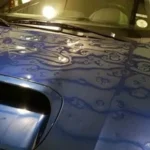
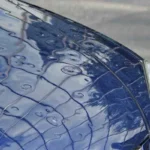
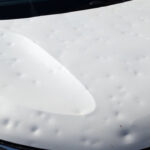
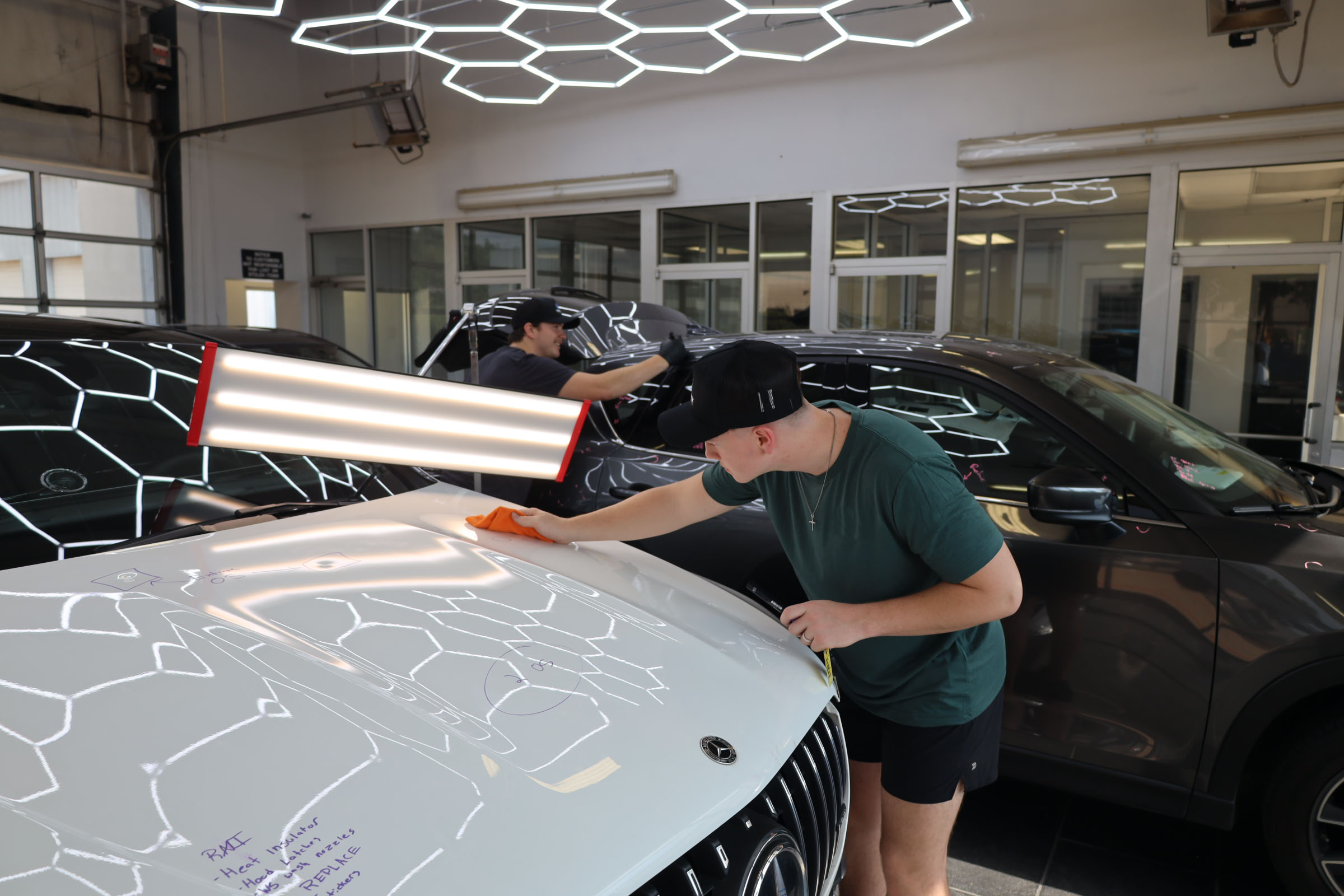
The most common sign of a hailstorm is a “dimpled” appearance across the hood, roof, and trunk. These impacts often stretch the metal without breaking the paint. This is where Paintless Dent Repair (PDR) becomes the gold standard. By using specialised tools to massage the metal back into its original shape from the underside, technicians can preserve the factory finish.
Cracked and Shattered Glass
High-velocity hail doesn’t just dent metal; it frequently targets windshields and sunroofs. Even a small chip from a hailstone can quickly spider-web across the entire glass surface due to temperature fluctuations, necessitating a full windshield replacement.
2. Wind and Airborne Debris
Severe thunderstorms and tornadoes bring high-intensity winds that transform everyday objects into dangerous projectiles. Even if your car is parked away from trees, wind damage can be extensive.
- Tree Limbs and Branches: Heavy winds often snap branches that land directly on vehicles, causing deep gouges, crushed pillars, or caved-in roofs.
- Flying Debris: Items like shingles, pebbles, or even unsecured patio furniture can scrape against the bodywork, leading to scratches and paint chips that expose the underlying metal to rust.
- Abrasive Sand and Dust: In some regions, high winds carry silt and sand that can act like sandpaper, pitting the paint and “sandblasting” the headlights until they are opaque.
3. Water and Flood Damage
Flooding is a “silent killer” for modern vehicles. While a dented door is a cosmetic issue, water intrusion can permanently compromise a car’s electrical system and engine.
Mechanical and Engine Failure
If a vehicle is submerged or driven through deep water, moisture can enter the air intake, leading to hydro-locking. This occurs when water enters the cylinders; since water doesn’t compress like air, the engine components can bend or break instantly.
Electrical Corruption
Modern cars are computers on wheels. Floodwater corrodes wiring harnesses, sensors, and Electronic Control Units (ECUs). Often, these issues don’t appear immediately but manifest weeks later as intermittent electrical ghosts or total system failure. Millennium Car LLC recommends a thorough diagnostic check if your vehicle has been exposed to rising waters.
4. The Importance of Professional Restoration
Recovering from a storm requires more than just a quick wash and a look-over. Understanding the specific needs of your region is vital. For residents in the DFW area, finding a reliable specialist for Auto Hail Damage Repair in Weatherford, TX ensures that the repair quality meets the high standards required for safety and resale value.
Why Quality Paintless Dent Removal (PDR) Matters
Traditional bodywork often involves sanding, باستخدام (using) fillers, and repainting. However, PDR is preferred because:
- It maintains the original factory paint.
- It is faster than traditional body shop methods.
- It is generally more cost-effective and environmentally friendly.
5. Navigating Insurance and Weather-Related Claims
Most weather-related incidents fall under Comprehensive Coverage. Unlike collision claims, comprehensive claims typically do not cause your insurance premiums to rise, as weather is considered an “Act of God” and is outside the driver’s control.
Documenting the Damage
Before heading to a repair facility, ensure you have:
- Clear photos of the vehicle from all angles.
- Close-ups of specific dents or broken glass.
- A record of the date and time the storm occurred.
Working with an experienced shop like Millennium Car LLC can simplify this process, as professional technicians often work directly with insurance adjusters to ensure every “hidden” dent is accounted for in the estimate.
6. Long-Term Effects of Ignoring Storm Damage
It can be tempting to ignore a few small hail dents or a minor scratch from a fallen branch, but procrastination can be costly.
- Rust and Corrosion: When paint is chipped by debris, the metal is exposed to oxygen and moisture. What starts as a small spot can turn into structural rust within months.
- Resale Value: A vehicle with “hail rash” or unrepaired storm damage can lose up to 30% of its trade-in value.
- Safety Hazards: Compromised windshields lose their structural integrity, making them less effective at supporting the roof during a rollover accident.
Final Thoughts
Whether it’s the destructive force of a hailstorm or the sneaky intrusion of floodwaters, severe weather is a constant threat to your automotive investment. By understanding the types of damage common to your area and acting quickly to secure repairs, you can keep your car safe and looking its best for years to come.