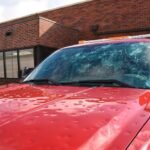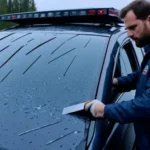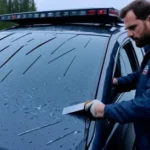
When a violent thunderstorm rolls across Tarrant County, ice pellets falling at high speeds can turn an ordinary commute into a costly ordeal within seconds. What You Should Know is that taking prompt, organized action protects both your vehicle’s physical condition and its financial equity. Scheduling a professional inspection for Auto Hail Damage Repair in Fort Worth, TX, or the surrounding Fort Worth area ensures that subtle surface impressions, micro-cracks in your clear coat, and structural tension points are identified early before environmental exposure causes long-term oxidation or paint failure.
1. Move Your Vehicle to Safety and Inspect Under Shade
Your immediate focus after a severe storm passes should be verifying that your vehicle is safe to operate while assessing the visual impact across all exterior panels.
Initial Visual Inspection Steps:
- Wait for the Storm to Pass Fully: Avoid stepping outside during active precipitation, lightning, or near localized street flooding.
- Park Under Indirect Light: Direct sunlight causes severe glare on metallic surfaces. Inspecting your car inside a garage or shaded area reveals shallow low spots more clearly.
- Examine Horizontal Surfaces First: Hoods, roofs, and trunk lids bear the brunt of vertical ice strikes and exhibit the highest density of dings.
- Check Mirrors and Auto Glass: Look for hairline fractures along windshield borders, cracked side mirror housings, and torn rubber weatherstripping.
2. Thoroughly Document the Exterior Impact for Your Claim
Accurate documentation serves as the cornerstone of a successful comprehensive insurance claim. Capturing detailed evidence before moving or washing your vehicle streamlines the approval timeline.
Tips for Effective Claim Documentation:
- Capture Wide-Angle Views: Take full-frame pictures of all four sides of the car to establish overall context for your adjuster.
- Photograph Panel Distortions: Shoot at a 45-degree angle along the sides of hood and door panels to highlight how surface reflections bend over dings.
- Record Storm Metadata: Save weather alerts, local news clips, or photos of hail on the ground to confirm the exact storm event date.
3. Initiate Your Comprehensive Auto Insurance Claim
Hail restoration is filed under your comprehensive auto policy rather than collision coverage. Understanding how this process functions removes stress and speeds up repairs.
Navigating the Claims Workflow:
- Report the Incident Quickly: Open your claim as soon as possible, as insurance carriers enforce policy windows following major storm events.
- Understand Non-Fault Coverage: Comprehensive weather claims generally do not raise individual policy premiums since storm activity is considered an act of nature.
- Prepare for Supplemental Claims: Initial app-based insurance estimates often miss up to 50% of shallow dings. A certified repair facility will file a supplement to ensure full coverage.
4. Partner with an Experienced Local Repair Specialist
Selecting a dedicated local facility guarantees that your vehicle receives high-caliber care and full policy benefits without unexpected out-of-pocket gaps.
Working with the Best Auto Body Shop in your area ensures your car is treated using modern non-invasive extraction technology rather than outdated, invasive methods. Experienced local centers like Millennium Car LLC specialize in certified PDR dent extraction, non-destructive paintless ding repair, and full automotive storm restoration, offering written lifetime warranties that back up their craftsmanship long after seasonal storm operators leave town.
5. Why Certified Non-Invasive Extraction Outperforms DIY Tricks
Attempting budget DIY internet life hacks like dry ice, hot glue kits, or heat guns routinely inflicts permanent secondary damage that ruins factory finishes.
The Risks of DIY Repair Shortcuts:
- Thermal Shock Cracking: Applying extreme temperature changes shatters the elastic clear coat, leaving raw metal exposed to rust.
- Paint De-Bonding: Off-the-shelf glue pulling kits routinely strip original paint layers clean off the primer coat.
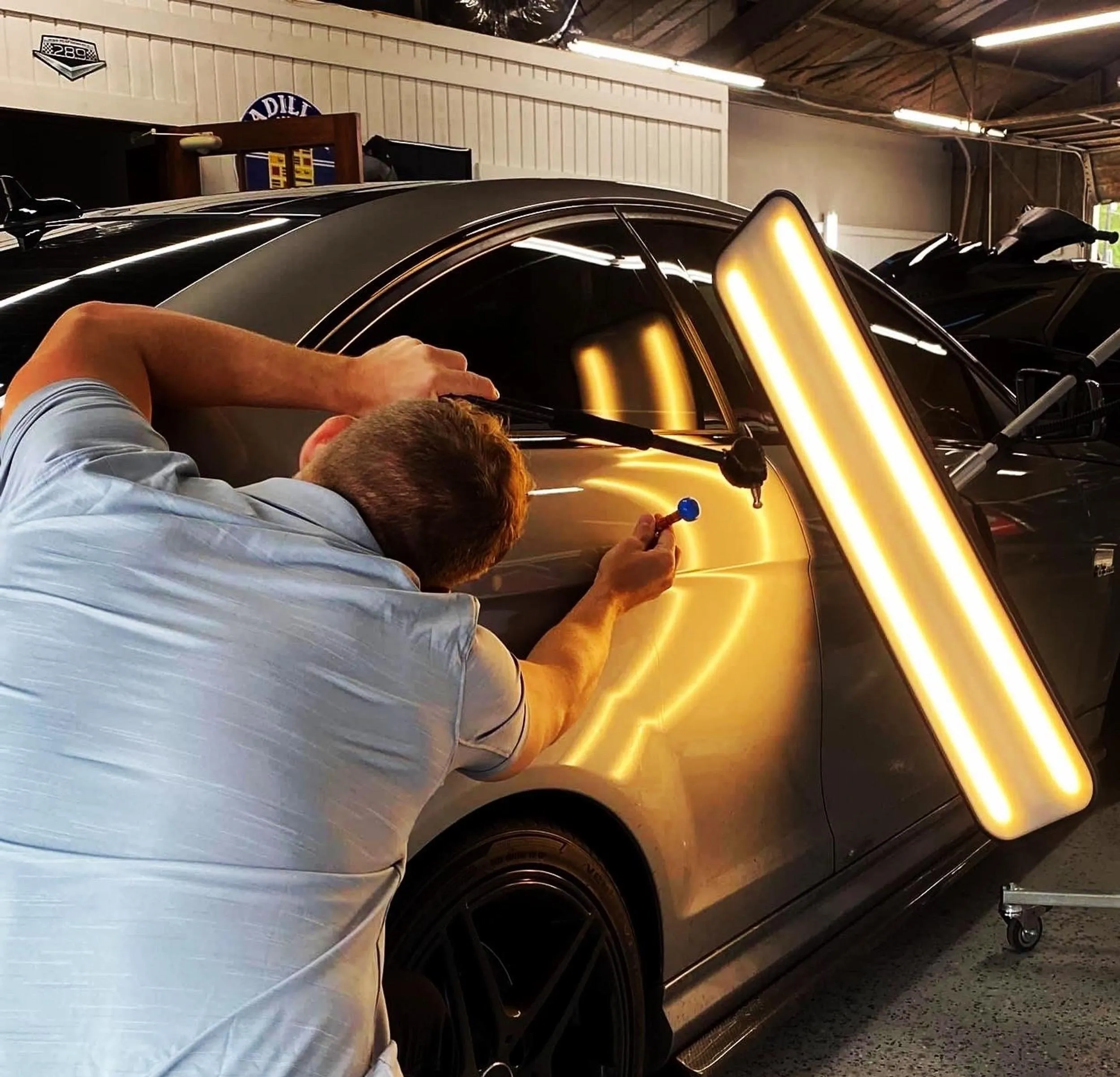
- Metal Stretching: Pushing metal without specialized LED line boards creates permanent raised high-spots that require invasive bodywork to fix.
6. Schedule a Master LED Teardown Evaluation with Millennium Car LLC
Once your claim is open, bring your vehicle in for a complete teardown evaluation. The master technicians at Millennium Car LLC use high-intensity LED matrix line boards to map out every single micro-ding and edge crease across steel and aluminum panels. Our team manages your insurance claim from start to finish, coordinating directly with your adjuster to deliver a flawless repair that returns your car to pre-storm showroom condition.
Conclusion
Navigating storm damage in Fort Worth does not have to be an overwhelming experience. By taking immediate safety precautions, capturing thorough photo evidence, filing your insurance claim promptly, and choosing certified non-invasive extraction, you protect both your car’s structural integrity and its long-term resale value. Partnering with a trusted local repair specialist guarantees a seamless claim process and returns your vehicle to pristine, pre-storm condition for years to come.