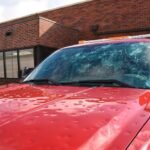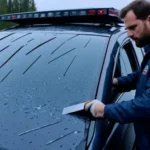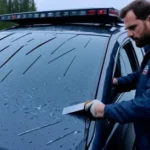
When severe weather sweeps through Tarrant County, high-velocity ice strikes can leave subtle, widespread dimples across your vehicle’s exterior within seconds. What You Should Know is that identifying storm impacts early is essential to protecting your car’s structural integrity and resale value. Scheduling a detailed assessment for Auto Hail Damage Repair in Fort Worth, TX ensures that hidden low-pressure spots, clear coat micro-fissures, and panel edge creases are properly mapped before humidity and temperature shifts lead to sub-surface rust or clear coat failure.
1. Inspecting Your Car Under Ideal Lighting Conditions
Spotting surface impressions on metallic or glossy paint finishes requires proper environmental lighting, as harsh sunlight can obscure shallow dimples.
Visual Inspection Steps:
- Seek Indirect Lighting: Park your vehicle inside a garage, under a carport, or in a shaded area during early morning or late afternoon hours.
- Examine Horizontal Panels First: Ice hits hoods, roofs, and trunk lids with the highest kinetic force, making horizontal surfaces the primary impact zones.
- Observe Angles and Reflections: Look along the length of each body panel at a 45-degree angle to spot distortions in light reflections across the paint finish.
- Check Acrylic and Rubber Components: Inspect headlight lenses, side mirrors, windshield borders, and window weatherstripping for chips or micro-fractures.
2. Using Tactile Verification for Subtle Surface Imperfections
Visual checks sometimes miss low-profile indentations, especially on lighter vehicle colors like white or silver. Tactile testing helps confirm subtle surface variations.
Tactile Inspection Guidance:
- Clean the Panel Surfaces: Wipe away road dust or moisture with a microfiber towel so surface dirt does not mimic low spots.
- Use Light Palm Pressure: Gently glide a clean, flat palm across horizontal sheet metal to feel for small dips or perimeter tension ridges.
- Inspect Door Edges and Creases: Feel along the top fold of side doors, as impact marks near rigid body lines often create tight, high-tension creases.
3. Documenting Your Findings for Insurance Processing
Properly documenting every surface mark simplifies the insurance claim process and ensures your carrier covers the full scope of required repairs.
Effective Documentation Best Practices:
- Capture Full Vehicle Overview Photos: Take photos from all four corners to confirm the car’s overall pre-repair state.
- Photograph Reflected Light Lines: Hold your phone camera at a low angle to capture bent light reflections over shallow dings.
- Record Weather Metadata: Keep copies of local weather warnings, news reports, or photos showing ground hail accumulation to confirm the incident date.
4. Why Professional Teardown Inspections Reveal Hidden Damage
Standard smartphone photos and preliminary drive-thru insurance app estimates frequently overlook up to half of the actual impact points on a vehicle.
Understanding why Hail Damage Needs Professional Auto Body Repair prevents underestimating the true cost of restoration. Certified technicians perform thorough LED matrix light board evaluations in controlled shop settings to project parallel lines across sheet metal. Any waviness in these reflected lines exposes micro-dings, edge creases, and perimeter tension boundaries that natural sunlight conceals completely.
5. Meticulous Restoration Care with Millennium Car LLC
Choosing an established local facility guarantees that your vehicle receives top-tier care while keeping your insurance claim completely hassle-free.
At Millennium Car LLC, we specialize in comprehensive automotive storm restoration and non-invasive panel correction. Our master technicians utilize advanced LED light arrays to map out every single surface impact, ensuring an accurate, fully itemized supplemental estimate is submitted to your insurance adjuster.
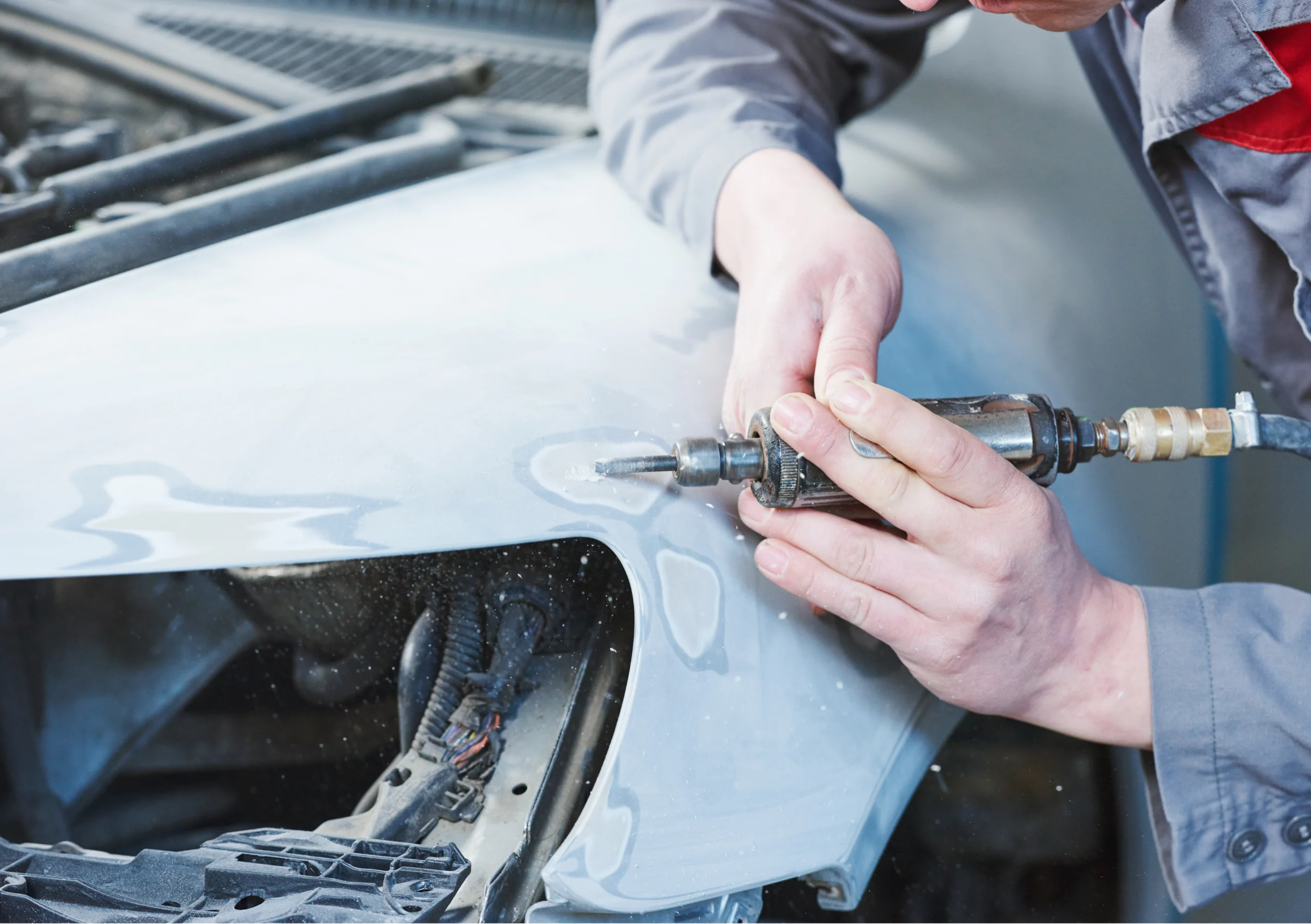
Our team at Millennium Car LLC manages your entire insurance claim process from start to finish, coordinating directly with your provider to ensure full policy coverage. Utilizing state-of-the-art PDR dent extraction and precision paintless ding repair techniques, we deliver high-quality craftsmanship that restores your vehicle to pre-storm showroom condition.
Conclusion
Knowing how to find storm damage on your car after a Texas storm allows you to take prompt, informed action to protect your vehicle’s factory finish and long-term resale equity. By combining visual checks in shaded light with professional LED light board assessments, you ensure no hidden dings go unnoticed. Partnering with a dedicated local repair specialist guarantees a smooth insurance claim process and returns your vehicle to pristine condition for years to come.