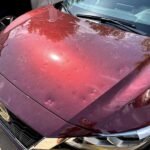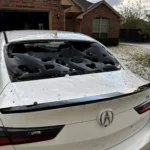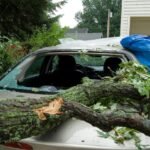
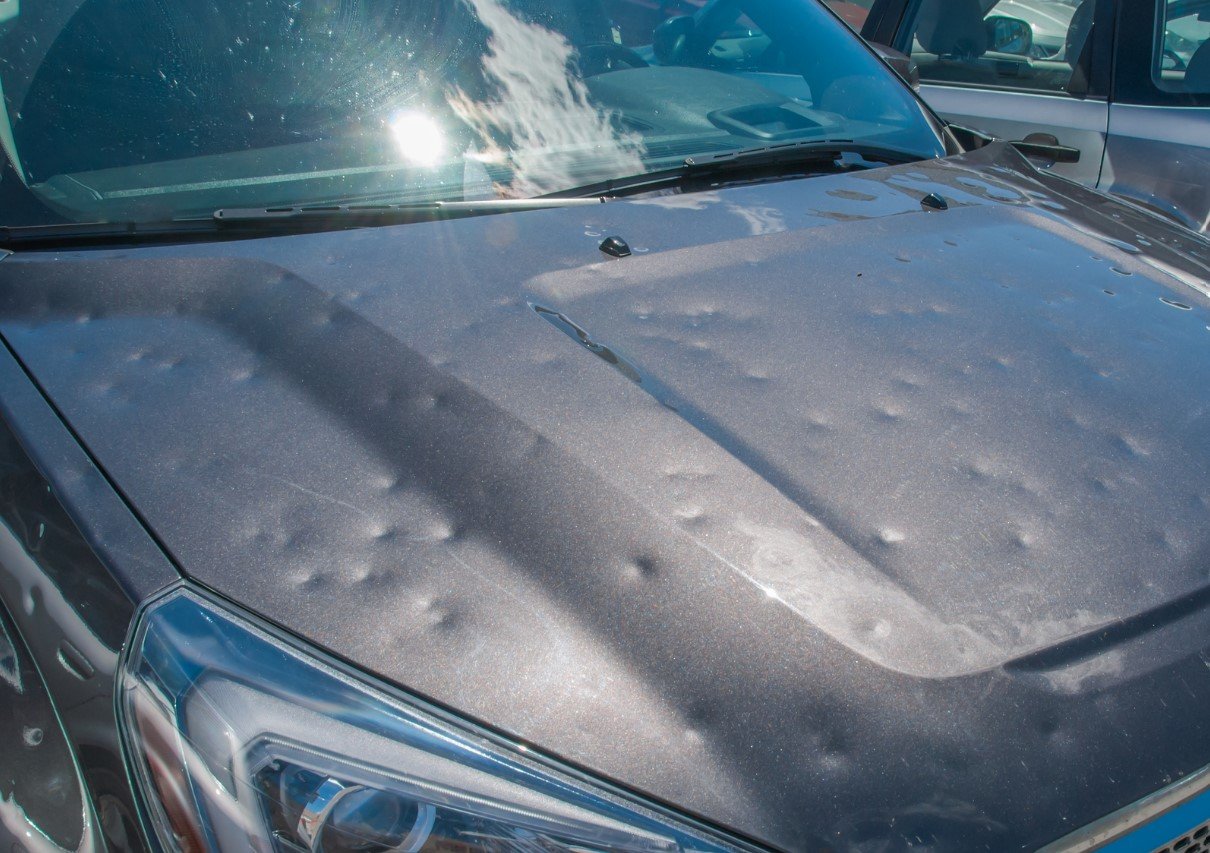
After a severe thunderstorm tears through Parker County, vehicle owners are often left staring at a bonnet and roof covered in unsightly pings and dimples. It is easy to put off repairs when your car still drives perfectly fine, but delay is one of the most expensive mistakes you can make after a storm. What You Should Know is that timing plays a massive role in both the quality and cost of your vehicle’s restoration. Booking an immediate assessment for Auto Hail Damage Repair in Fort Worth, TX ensures that your vehicle is evaluated before ambient moisture, summer heat, and daily driving vibration make the underlying metal and clear coat damage significantly worse.
The Immediate Post-Storm Window: Why the First 48 Hours Matter
The ideal time to begin the recovery process is within the first 24 to 48 hours following a major weather outbreak. While you do not necessarily need to have the car physically inside a body shop within two days, starting the initial documentation and filing your insurance claim immediately sets the foundation for a seamless repair experience.
Benefits of Taking Early Action:
- Filing Before the Claims Surge: Insurance companies experience massive claim volume after a storm cell hits North Texas. Filing early puts you near the top of the queue for an adjuster’s appraisal.
- Preserving Fresh Evidence: Promptly taking photos of the storm debris, ice size, and fresh impact marks makes it impossible for an insurance provider to dispute the date or cause of the incident.
- Preventing Secondary Water Ingress: Hail frequently creates hairline fractures along glass seals, sunroof channels, and light lenses. Catching these early stops rainwater from leaking into your cabin and ruining expensive electronic modules.
Understanding the Hidden Hazards of Delaying Repairs
Many car owners wonder why they cannot simply wait until storm season ends before fixing their vehicles. While this strategy seems practical on the surface, allowing dented metal to sit exposed to Texas weather elements introduces severe long-term risks.
Micro-Fractures and Clear Coat Breakdown
When a hailstone strikes sheet metal at high velocity, it flexes the panel past its normal elastic limit. Even if the surface paint looks fine to the naked eye, the impact creates microscopic stress fractures in the clear coat. Over weeks of exposure to intense sun and extreme heat cycles, these micro-fissures expand. Moisture eventually reaches the bare steel underneath, initiating oxidation and rust that permanently ruins your factory paint finish.
Metal “Setting” and Loss of Elasticity
Modern automotive metal possesses a degree of structural memory, making it ideal for non-invasive repair techniques. However, the longer a dent remains under the baking sun, the more the metal “sets” into its newly deformed shape. Waiting months to seek professional help makes the metal far less pliable, significantly increasing the labor required to massage the panel back into alignment.
Seasonal Considerations: Summer Heat vs. Winter Cold
The time of year your vehicle sustains damage also influences how quickly you should act. Both extreme heat and freezing temperatures present unique challenges to damaged automotive body panels.
The Impact of Texas Summer Heat:
- Accelerated Oxidation: High heat combined with humidity speeds up the chemical reaction that causes rust inside clear coat micro-cracks.
- Seal Degradation: Damaged rubber window seals dry out and shrink faster under direct sunlight, worsening cabin leaks.
- Spreading Windshield Cracks: Tiny glass chips caused by ice strikes rapidly spread across the entire windshield as cabin temperatures spike.
The Impact of Winter Freeze Cycles:
- Freezing Water Expansion: Rainwater that settles into panel dimples or clear coat cracks expands when temperatures drop below freezing, forcing the dent deeper and cracking the surrounding paint.
- Brittle Clear Coat: Cold temperatures make factory paint less flexible, increasing the risk that paint will chip during later restoration attempts.
Navigating Insurance Deadlines and Coverage Restrictions
Timing is equally critical when dealing with your comprehensive auto insurance policy. While Texas policies generally cover storm damage under “Acts of Nature,” insurance providers strictly enforce deadlines and reporting rules that can catch unprepared drivers off-guard.
Statutes of Limitations on Claims
Most insurance policies specify a strict timeframe—typically between 6 and 12 months from the date of the storm event—within which you must file a claim. If you attempt to file a claim past this contractual deadline, your insurer has full legal grounds to deny coverage completely, leaving you with massive out-of-pocket expenses.
The Risk of Overlapping Storm Events
If your vehicle sits unrepaired and a second storm strikes Parker County months later, the claims process becomes an absolute nightmare. Insurance adjusters will struggle to separate old impacts from new ones. This often results in disputes over multiple deductibles, partial payouts, or accusations of pre-existing damage that lower your overall settlement amount.
Restoration Methodologies: Why Timing Dictates Your Options
The primary goal of fixing your car quickly is ensuring it remains eligible for Paintless Dent Repair (PDR). PDR is the modern industry standard for fixing storm damage because it restores the metal from behind without disturbing your vehicle’s original factory paint.
Advantages of PDR Over Traditional Collision Care:
- Preserves Original Factory Paint: Keeps your factory clear coat and e-coat layers completely intact, maintaining your original manufacturer paint warranty.
- No Artificial Putty or Fillers: Avoids the use of Bondo or body fillers that can shrink, crack, or discolor after years of sun exposure.
- Shorter Turnaround Times: While traditional body shops may hold your car for weeks to sand, prime, and repaint panels, expert PDR can often be completed in just a few days.
- Protects Vehicle Equity: Cars retaining their original factory finish command substantially higher trade-in and resale values on CARFAX reports.
If you wait too long and allow rust to form or clear coat micro-cracks to peel, PDR is no longer an option. At that point, you are forced to pay for traditional collision repair, which involves aggressive metal sanding, artificial body fillers, and non-factory repainting.
Why You Should Avoid Cheap DIY Repair Attempts
While waiting for an insurance appraisal, many car owners are tempted to try internet “life hacks” to pop the dimples out themselves. Common DIY methods include applying dry ice to the panel, using hot glue pulling kits, or heating the metal with industrial heat guns.
The Dangers of DIY Repair Methods:
- Thermal Shock Paint Cracking: Applying extreme cold like dry ice to a hot panel instantly freezes the clear coat, causing it to shatter and peel.
- Paint De-Bonding: Low-quality retail glue-pulling kits frequently strip original clear coat directly off the primer.
- Over-Stretching Metal: Pulling without specialized LED line boards makes it impossible to locate the true edges of the impact, routinely creating raised “high-spots” that ruin the panel’s contour.
Partnering with Millennium Car LLC for Safe and Timely Repairs
Choosing the right facility is just as important as choosing the right time to repair your car. When you are ready to restore your vehicle, partnering with an established, permanent local shop guarantees long-term quality and complete peace of mind.
At Millennium Car LLC, we specialize in non-invasive automotive storm restoration designed to bring your car back to factory-new condition. Understanding how hail can cause more car damage when left unaddressed, our master technicians perform meticulous LED light board inspections to capture every single low spot, stress crease, and hidden glass chip before environmental deterioration sets in.
Our team at Millennium Car LLC handles full insurance coordination, working directly with your adjuster to ensure your comprehensive claim covers all required repairs with zero stress. We provide certified PDR dent repair and paintless ding repair backed by long-term service guarantees, ensuring Parker County drivers receive the highest level of care.
Conclusion
The absolute best time to fix storm damage on your vehicle safely is immediately after the event occurs. Acting promptly within the first 24 to 48 hours protects your factory clear coat from environmental degradation, prevents rust formation, and ensures your vehicle remains a perfect candidate for non-invasive paintless restoration. Delaying repairs not only exposes your vehicle to severe thermal stress and secondary water leaks, but it also risks insurance claim denials and substantial loss of resale value. By avoiding risky DIY shortcuts, filing your claim early, and trusting a permanent local specialist to manage your restoration, you safeguard your investment and restore your car to showroom condition with complete confidence.