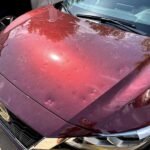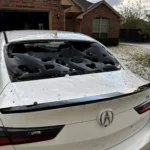
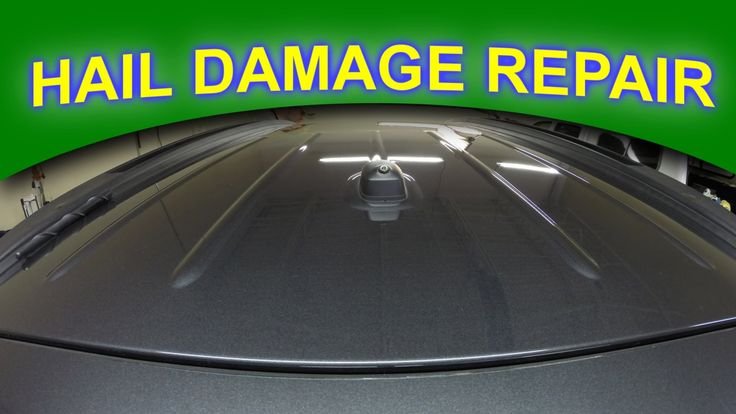
When a powerful weather front rolls through North Texas, the aftermath often leaves vehicle owners staring at a hood, roof, and trunk covered in unsightly surface pings. Beyond the initial frustration, the primary question on every driver’s mind is financial: How much is this going to set me back? What You Should Know is that modern restoration expenses vary widely based on dent depth, panel material, and the repair methodology chosen. Booking a professional appraisal for Auto Hail Damage Repair in Fort Worth, TX provides an itemized estimate, helping you understand how total costs are calculated and how your comprehensive policy covers the bill.
The Average Cost Spectrum: From Minor Dings to Severe Storm Damage
Repairing storm impacts does not carry a single fixed price tag because no two weather events deliver identical destruction. Industry pricing usually falls into distinct severity tiers based on total panel impact counts.
Standard Cost Breakdown Tiers:
- Light Storm Damage ($500 – $2,500): Involves a handful of shallow, dime- to nickel-sized dings limited to one or two horizontal panels. These are quickly and affordably extracted using standard techniques.
- Moderate Storm Damage ($3,000 – $7,000): Covers dozens of quarter- to half-dollar-sized impacts across multiple body panels, including side doors, quarter panels, and roof rails.
- Severe Storm Damage ($8,000 – $15,000+): Involves hundreds of deep, creased impacts per panel, shattered glass, punctured molding, and stretched sheet metal. Severe cases may approach the threshold where insurance providers declare the vehicle a total loss.
Primary Variables That Drive Restoration Estimates
Understanding how technicians evaluate damaged vehicles helps explain why quotes vary significantly between different make and model years.
1. Dent Density and Size Matrix
PDR technicians use an industry-standard matrix to calculate labor. The size of each dent is categorized using coin sizes (dime, nickel, quarter, half-dollar). A panel with 10 dime-sized dings takes far less time and skill to correct than a panel with 50 half-dollar-sized impressions.
2. Panel Material Composition
Modern vehicles are constructed using a mix of mild steel, high-strength steel, aluminum, and carbon composites. Aluminum panels—commonly used on newer truck hoods and luxury SUV tailgates—lack the “metal memory” of traditional steel. Reshaping aluminum requires specialized tools, elevated heat control, and higher technician labor rates.
3. Disassembly Labor (Remove & Install)
To massage metal back into shape from behind a panel, technicians must gain access to the underside of the sheet metal. This process, known as Remove and Install (R&I), involves dropping headliners, pulling door panels, and removing tail lights. Labor-intensive disassembly adds to the total cost.
Why PDR is the Cost-Effective Standard
Non-invasive pdr dent removal eliminates the need for expensive paint supplies, color-matching labor, or artificial body fillers like Bondo. By preserving your original factory clear coat, it protects your vehicle’s clean history report and maintains its trade-in valuation.
Comprehensive Insurance: Out-of-Pocket Reality
The good news for Texas drivers is that storm damage falls under comprehensive insurance policies rather than collision coverage.
Key Insurance Facts to Keep in Mind:
- Deductible Responsibility: Because storm strikes are legally classified as an “Act of Nature,” you are typically only responsible for paying your comprehensive deductible (usually $250 to $1,000), while your provider covers the rest.
- No Rate Penalties: Texas insurance regulations generally prevent insurance companies from raising your individual monthly premium for filing a single non-fault comprehensive claim.
- Supplemental Approval: If a repair shop discovers hidden structural or trim damage during disassembly, they submit supplemental line items directly to your adjuster for approval.
Avoiding Risky “DIY” Repair Shortcuts
Faced with out-of-pocket costs or insurance deductibles, some vehicle owners attempt cheap internet DIY methods like dry ice, hot glue pulling kits, or industrial hair dryers.
The True Cost of DIY Mistakes:
- Thermal Shock Cracking: Applying extreme cold like dry ice to sun-heated panels causes the brittle clear coat to freeze, crack, and peel.
- Paint Stripping: Cheap retail glue pulls can rip the original paint directly off the primer coat, turning a simple PDR candidate into an expensive repaint job.
- Over-Stretching Metal: Pulling without LED matrix boards creates raised high-spots that permanently stretch the metal, requiring costly collision bodywork to flatten.
Partnering with Millennium Car LLC for Affordable, Quality Care
Choosing an experienced local facility guarantees that your vehicle is fully restored while keeping your out-of-pocket expenses to a minimum.
At Millennium Car LLC, we specialize in professional automotive storm restoration and non-invasive panel care. Understanding the financial uncertainty involved with fixing hail damage on a car, our certified technicians perform detailed LED light board inspections to generate precise, itemized estimates for your insurance company.
Our team at Millennium Car LLC manages your entire insurance claim from start to finish, negotiating directly with adjusters to ensure your policy covers all necessary repairs, replacement trim, and glass work. Utilizing advanced paintless ding repair techniques, we deliver high-quality craftsmanship that returns your vehicle to pre-storm showroom condition without unexpected expenses.
Conclusion
Understanding what storm recovery costs today allows you to make informed, financially sound decisions after a major weather event. While total estimates vary based on dent count, panel placement, and vehicle materials, leveraging your comprehensive insurance coverage minimizes your actual out-of-pocket obligation. By choosing certified non-invasive paintless restoration, avoiding dangerous DIY shortcuts, and acting before clear coat fractures lead to sub-surface rust, you protect both your car’s structural health and its future market equity. Partnering with a trusted local repair facility ensures your claim is handled professionally, giving you complete peace of mind and a flawlessly restored vehicle.