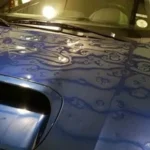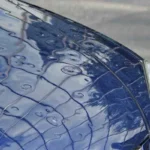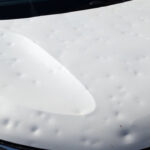
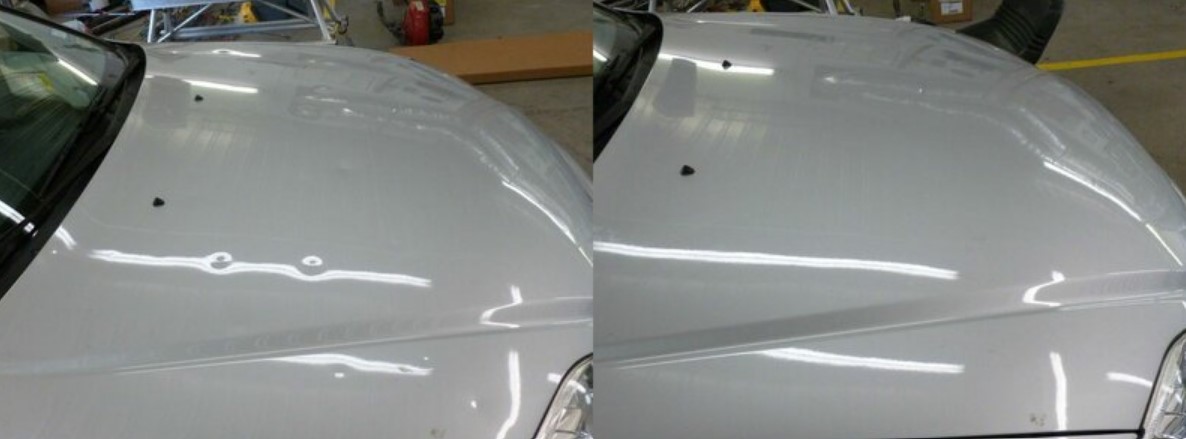
Dealing with the aftermath of a severe storm can be incredibly stressful for any car owner. When a sudden hailstorm strikes, it often leaves behind a scattering of unsightly dents across your hood, roof, and trunk. If you want to restore your car’s value quickly without compromising the factory finish, finding reliable auto hail damage repair in Fort Worth, TX is the most effective first step you can take. Addressing these imperfections early prevents the metal from stretching further and keeps your vehicle looking pristine.
Many drivers assume that fixing deep dings requires a trip to a traditional body shop for grinding, filling, and a completely new coat of paint. Fortunately, modern automotive technology offers highly effective methods to restore your vehicle’s exterior to its original condition without ever touching a spray gun. Choosing these non-invasive repair techniques saves time, cuts down on material costs, and preserves the structural integrity of your vehicle’s original factory paint job.
The Power of Paintless Dent Repair (PDR)
The absolute gold standard for fixing minor surface imperfections without repainting is Paintless Dent Repair, commonly known as PDR. This specialized method requires a high level of craftsmanship and unique tools designed to manipulate the metal from behind the damaged panel.
- Accessing the Underside: Technicians carefully remove interior panels, headliners, or trim pieces to gain direct access to the back of the dented sheet metal.
- Slow, Precise Pressure: Using specially designed metal rods and body picks, the technician applies microscopic pressure to the apex of the dent, gradually massaging the metal back into its flat shape.
- Preserving the Clear Coat: Because the metal is gently flexed back into place from behind, the original paint and clear coat remain completely undisturbed, eliminating the risk of future peeling or color mismatching.
PDR is highly effective for shallow creases, minor door dings, and the typical dimples left behind by falling debris or frozen precipitation.
Utilizing Glue Pulling for Hard-to-Reach Areas
In some areas of a vehicle, accessing the backside of a panel is virtually impossible without cutting into the structural frame. For these challenging spots, specialized technicians turn to an advanced technique known as glue pulling.
This process involves attaching a series of specialized plastic tabs directly to the center of the dent on the outside of the vehicle using a unique, high-strength hot glue. Once the glue sets, a slide hammer or a mini-lifter is attached to the tab, applying a controlled, outward pulling force. This action pops the metal outward, smoothing out the surface. The glue is then dissolved using a specialized chemical release agent that leaves the underlying factory clear coat perfectly intact and clean.
Benefits of Avoiding Traditional Body Filler and Repainting
Opting for non-painting restoration methods offers massive advantages that go far beyond just saving a bit of time at the shop. Understanding how to protect your vehicle during storm season can help you minimize the severity of these impacts, but when damage does occur, keeping the factory paint is always the best choice. Traditional repairs often require sanding down the metal, applying heavy body filler, and blending new paint across multiple panels, which can sometimes result in slight color variations under direct sunlight.
For car owners looking for top-tier results, Millennium Car LLC offers expert evaluations to determine if your vehicle is a candidate for these specialized paintless techniques. We focus on preserving your car’s original panels whenever possible. Keeping the original factory finish is incredibly important because vehicle history reports track major paintwork, and a car with its original paint intact always commands a much higher resale value down the road.
Critical Factors for Success
While non-painting dent removal methods are highly versatile, their success depends heavily on a few specific conditions. The most important factor is the condition of the paint itself; if the impact was violent enough to crack, chip, or scratch the clear coat, traditional refinishing might still be necessary to prevent future rust.
The depth and location of the indentation also play major roles. Dents located directly on sharp body lines or at the very edge of a panel where the metal is double-walled can be significantly more difficult to massage out. Acting quickly after an incident ensures that the metal doesn’t take a permanent “set” in its bent shape, giving specialized technicians the best possible chance to restore your vehicle to flawless perfection.