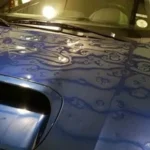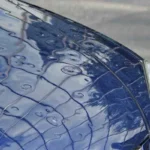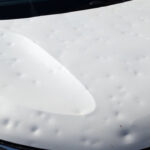
Severe storms can strike unexpectedly, leaving vehicle owners to deal with the aftermath of sudden property damage. The top surfaces of a vehicle, specifically the roof and the hood, act as primary targets for falling debris and frozen precipitation during intense weather events. When a storm rolls through the area, seeking professional auto hail damage repair in Fort Worth, TX becomes a top priority for many drivers trying to restore their vehicles. Understanding exactly what causes roof and hood dents after heavy storms can help you evaluate the severity of the situation and take the right steps toward recovery.
The Role of Hailstone Kinetic Energy
The most common culprit behind localized surface depressions on automobiles is frozen precipitation. Hail forms high within thunderstorm updrafts, where supercooled water droplets freeze upon contact with condensation nuclei. As these ice pellets cycle through the storm cloud, they accumulate layers, gaining mass and weight before gravity finally pulls them toward the ground.
Terminal Velocity and Falling Force
As a hailstone falls, it accelerates until it reaches terminal velocity—the point at which the downward force of gravity equals the upward atmospheric drag. A one-inch ice pellet can fall at speeds between 25 and 40 miles per hour, while larger stones can exceed 70 miles per hour. When these dense ice spheres collide with the horizontal sheet metal of your hood or roof, the sheer force of the impact instantly deforms the aluminum or steel panel, leaving behind deep, distinct indentations.
Falling Tree Branches and Windblown Debris
High-velocity winds are another major factor during severe weather systems. Straight-line winds and microbursts can easily snap dead or weakened tree limbs, sending them crashing directly onto parked or moving vehicles.
- Impact Trauma: Heavy branches create irregular, sharp punctures or deep creases on the hood and roof, often scraping away the protective paint layers.
- Flying Projectiles: Loose items like unsecured patio furniture, roof shingles from nearby homes, and heavy asphalt debris can become airborne, hammering your car from multiple angles.
- Structural Flexing: Large debris falling from significant heights can bend the underlying support braces beneath the hood, compromising the structural integrity of the panel.
Structural Vulnerabilities of Roofs and Hoods
Automotive manufacturers design hoods and roofs to be lightweight to improve fuel efficiency and weight distribution. Consequently, these expansive, flat expanses of sheet metal lack the rigid reinforcement found in the vertical door panels or structural pillars.
Because these areas have fewer structural folds or curves to deflect incoming energy, they absorb the full brunt of vertical impacts. This design reality means that even small dents can lower a car’s value significantly, as cosmetic imperfections on highly visible flat surfaces immediately catch the eye of potential buyers and insurance adjusters alike. Furthermore, the roof is particularly difficult to repair because technicians must often remove the interior headliner to gain access to the underside of the metal. For precise restoration work, consulting experts like Millennium Car LLC can ensure that the underlying support structures are carefully preserved during the reshaping process.
Secondary Factors: Thermal Shock and Sound Insulation
The physical environment during a storm can further complicate how metal reacts to impacts. Intense summer storms often bring a rapid drop in ambient temperature. When freezing hail hits a car hood that has been heating up under the sun or from engine operation, the sudden thermal shock makes the metal more brittle and susceptible to warping.
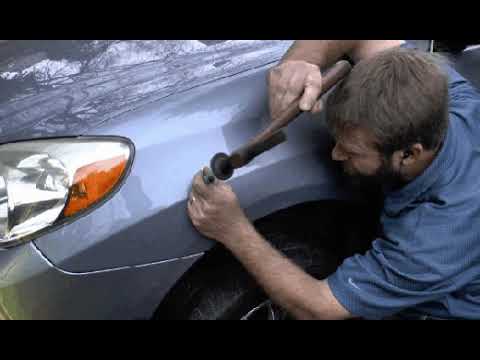
Additionally, modern vehicles feature sound-dampening materials glued directly to the underside of the roof and hood. When an object strikes the exterior, these materials can sometimes pull on the metal from the inside as it flexes, altering the shape of the dent and making standard DIY pulling methods highly ineffective. Entrusting the repair process to Millennium Car LLC ensures that specialized paintless dent removal tools are used to gently massage the metal back into place without disturbing the inner insulation.
Restoring Your Vehicle’s Integrity
Leaving storm damage unaddressed can lead to long-term issues, such as micro-cracking in the clear coat, which eventually allows moisture to reach the bare metal and cause rust. Promptly addressing surface imperfections after a major weather event keeps your car structurally sound and looking its best. Partnering with certified technicians ensures that your vehicle’s factory finish remains intact, completely erasing the evidence of the storm’s fury.