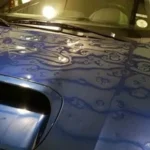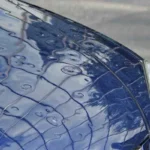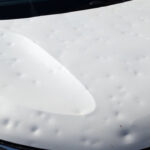
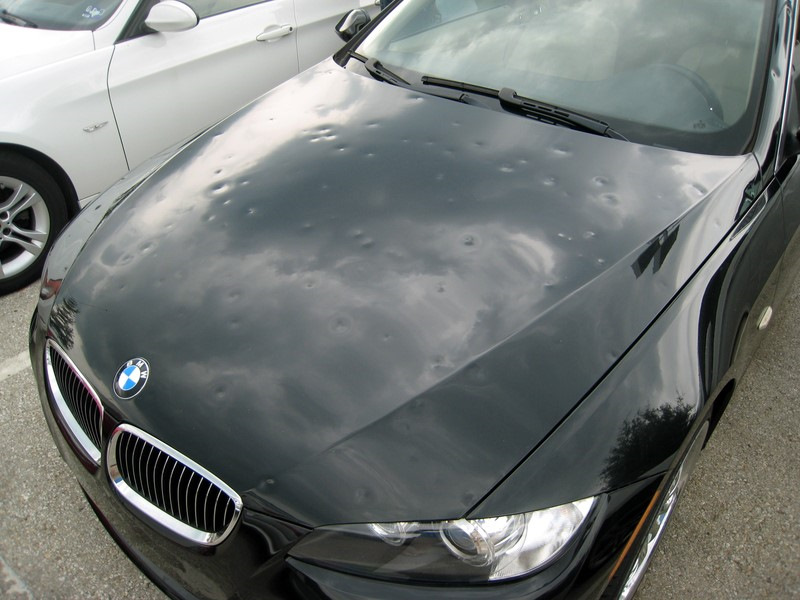
When freezing rain and sleet coat the roads, vehicles take a brutal beating from both the elements and road treatment chemicals. Getting professional auto hail damage repair in Fort Worth, TX is a top priority for drivers dealing with frozen precipitation impacts, as heavy chunks of ice falling from trees or overpasses can leave deep, structural dents just like severe springtime hailstorms. Ice accumulation adds immense weight to a vehicle’s body panels, which can weaken older body filler, crack brittle plastic trim, and trap moisture against the metal.
Restoring a vehicle after a severe winter storm requires a careful, step-by-step approach to ensure you don’t accidentally cause more damage while removing the ice. Many car owners make the mistake of using hot water or sharp tools to clear their vehicles, which can instantly shatter glass or gouge the paint. Understanding the best methods for restoring a car after ice storm damage will save you from expensive paint repairs and preserve your vehicle’s long-term resale value.
What You Should Know About Freezing Hazards
Before you attempt to clear your vehicle, you need to understand how sub-freezing temperatures alter the physical properties of your car’s materials. What you should know is that plastic bumpers, rubber seals, and fiberglass components become incredibly brittle when exposed to extreme cold. A minor impact that would normally cause no damage in the summer can easily crack a bumper or shatter a door handle during a freeze.
Always start your restoration process by turning on the vehicle and letting the engine warm up naturally. Set the front and rear defrosters to maximum. This gentle, internal heat source is the safest way to loosen the bond between the ice layer and the glass or metal surfaces, preventing scratches caused by aggressive scraping.
Safe Techniques for Ice and Snow Removal
Rushing to clear ice from your vehicle is the primary cause of post-storm paint scratches. Standard ice scrapers are designed exclusively for glass windows and should never be used on the painted surfaces of your hood, roof, or doors.
- Use a Soft-Bristled Foam Broom: Instead of heavy plastic brushes, use a specialized automotive foam brush to push loose snow away without dragging dirt particles across the clear coat.
- Clear the Exhaust Pipe First: Before idling your car to melt the ice, ensure the tailpipe is completely free of snow and ice blockage to prevent dangerous carbon monoxide from backing up into the cabin.
- Avoid Chemical De-icers on Paint: While de-icing sprays work wonders on windshields, some formulas can leave a dull residue or strip the protective wax coating off your vehicle’s paint.
Once the bulk of the ice has melted away naturally from the engine’s heat, you can safely evaluate the underlying bodywork for any signs of pressure dents or paint chips caused by falling icicles.
Repairing Paint and Bodywork Issues
If the weight of the ice or falling debris has left indentations on your hood or roof, you need to act quickly before spring moisture causes those areas to rust. Knowing exactly what to do after a severe storm hits your vehicle will help you avoid long-term structural degradation and permanent paint failure.
The Advantages of Paintless Dent Repair
For shallow dents where the paint layer remains fully intact, paintless dent repair (PDR) is the ideal restoration method. Technicians use specialized tools to gently massage the metal back into its original shape from behind the panel. This process eliminates the need for body filler or repainting, keeping your car’s factory finish completely original.
Millennium Car LLC: Restoring Structural Integrity
For complex restorations, seeking assistance from trusted specialists like Millennium Car LLC guarantees that both cosmetic and hidden mechanical damage are addressed. Winter storms often force salt, brine, and road debris into the undercarriage, which can accelerate rust on brake lines and suspension components. We provide the thorough cleaning and inspection needed to neutralize these corrosive elements before they cause permanent damage to your car.
Addressing Undercarriage and Mechanical Health
The true damage of an ice storm often hides completely out of sight beneath the vehicle. Salt and liquid calcium chloride used by road crews are highly corrosive agents that attach themselves to the exposed metal surfaces of your car.
If left unwashed, this chemical residue quickly eats through metal components, leading to premature exhaust leaks, seized brake calipers, and weakened frame rails. As soon as the temperatures rise above freezing, take your vehicle to a high-pressure car wash that offers an underbody flush to completely rinse away the salt buildup.
Additionally, check your tire pressure immediately after a major temperature drop. For every 10-degree drop in temperature, tires can lose about one pound of pressure. Driving on underinflated tires over icy patches reduces your traction and increases the risk of a dangerous blowout.