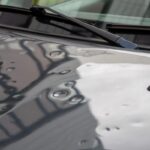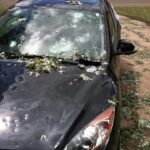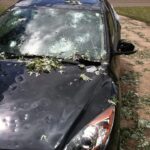
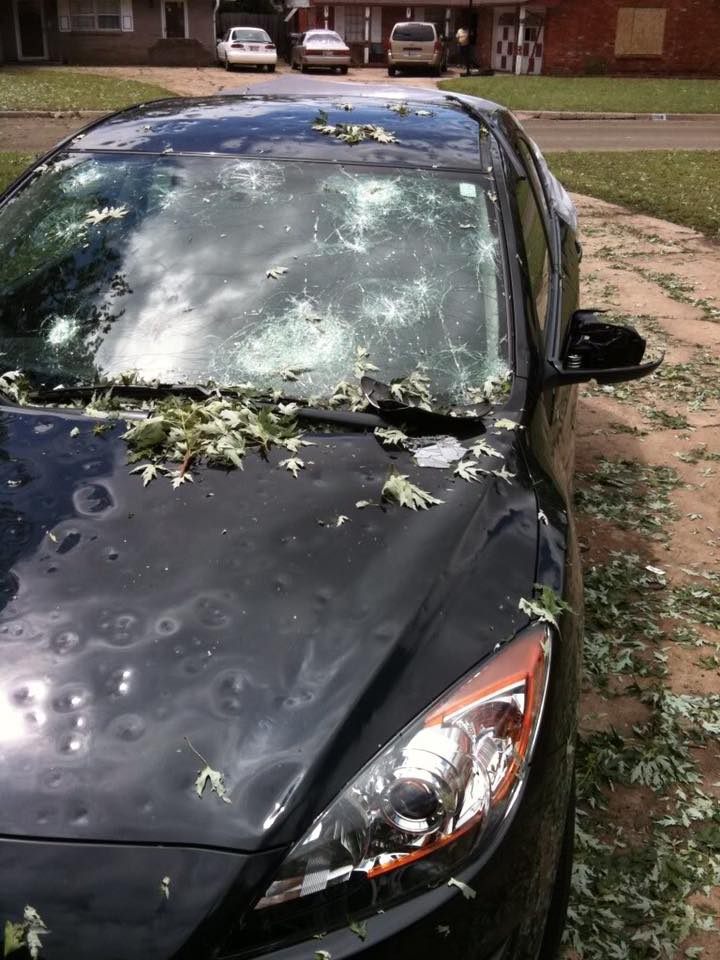
In the aftermath of a severe Texas storm, the sight of a dimpled hood and a cracked windshield can be disheartening. Your first thought, after ensuring everyone is safe, is usually: “How long am I going to be without my car?” The timeline for Auto Hail Damage Repair in Fort Worth, TX, is not a one-size-fits-all answer. It depends on several variables, ranging from the severity of the atmospheric event to the specific techniques required to massage the high-strength steel or aluminum back into its original shape. For most drivers in the DFW metroplex, the restoration process is a race against the next forecast, making efficiency just as important as quality.
What You Should Know is that a professional repair isn’t just about aesthetics; it’s about structural restoration. While a few small dings might only take a day or two, a vehicle caught in the crosshairs of baseball-sized ice could be in the shop for a week or more. Understanding the stages of the restoration process can help you manage expectations and plan your commute accordingly.
The Assessment and Insurance Phase (1–3 Days)
Before a single tool touches your car, the paperwork must be synchronized. This is often the most variable part of the timeline.
- Preliminary Inspection: A technician will clean the vehicle and place it under specialized LED “PDR lights.” These lights reveal micro-shadows that indicate where the hail impacted.
- The Insurance Adjuster’s Visit: If you are filing a comprehensive claim, an adjuster must verify the damage. During peak storm seasons in North Texas, insurance companies are often backed up, which can add a few days to the front end of your repair schedule.
- Supplement Requests: Often, the initial estimate from an insurance appraiser misses hidden damage under the hood or near the trunk seals. A quality shop like Millennium Car LLC will file a “supplement” to ensure the insurance company covers the full extent of the restoration, ensuring you don’t pay out-of-pocket for missed dents.
Complexity and Volume of Dents
The sheer number of impacts dictates the labor hours. A car with 50 dents is a much faster fix than one with 500.
- Light Damage: Scattered dents on the roof and hood can usually be addressed within 24 to 48 hours.
- Moderate Damage: If every panel has been hit, including the doors and side pillars, expect a 3 to 5-day window.
- Severe Damage: When hail breaks the paint or shatters glass, the car may require traditional bodywork, painting, and curing time. This can push the timeline to 10 days or more.
Why the Technique Matters
The method of repair is the biggest factor in how quickly you get your keys back. In the world of modern automotive restoration, paintless dent repair is the preferred method. Because PDR involves using specialized rods and heat-induction tools to “walk” the metal back into place from behind the panel, there is no need for sanding, Bondo, or repainting.
By avoiding the paint booth, you save days of labor. Traditional body shops have to wait for paint to dry and clear coats to cure in a climate-controlled environment. With the specialized approach provided by Millennium Car LLC, the factory finish remains untouched, which not only speeds up the process but also protects the long-term resale value of your vehicle.
Parts Availability and External Factors
Sometimes the delay isn’t the dent itself, but the “bolt-on” parts. If the hail was large enough to crack your windshield, side mirrors, or trim moldings, the shop has to order those specific components.
- Supply Chain: If a specific molding for a luxury or imported vehicle is backordered, your car might stay in the shop longer than expected.
- The “Catastrophe” Factor: After a massive storm hits Fort Worth, every shop in the city becomes slammed. Choosing a high-capacity facility that specializes specifically in hail damage restoration rather than general collision repair can often shave days off your wait time.
Final Timeline Summary
To give you a rough estimate for your planning, here is a general breakdown:
Damage Level Estimated Timeframe Key Factors
Minor PDR 1–2 Business Days Roof and Hood only; No paint damage.
Full Car PDR 3–5 Business Days Dents on all panels; Insurance approval received.
Conventional Repair 7–14 Business Days. Paint is cracked; Parts replacement needed.
Total Loss/Severe Varies Extensive structural or glass damage.
Conclusion
Restoring your car after a Texas storm is a blend of art and engineering. While we all want our vehicles back “yesterday,” rushing a dent specialist can lead to “staring” in the paint or improper sensor calibration. By choosing a team that understands the local climate and insurance landscape, you can ensure the job is done right the first time.