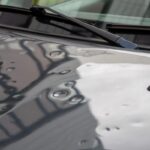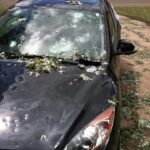
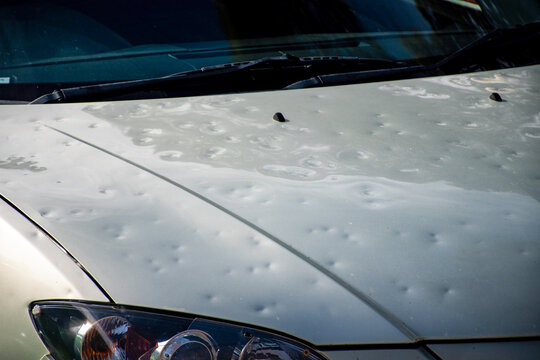
Living in North Texas means accepting that your vehicle is essentially a moving target for Mother Nature. After a storm, it is common to see cars peppered with tiny dings that don’t seem to affect the driving experience. However, seeking out Auto Hail Damage Repair in Fort Worth, TX, is about much more than just vanity; it is a critical financial decision. Even those “barely there” indentations can trigger a massive drop in your car’s market value, turning a high-end trade-in into a “fixer-upper” in the eyes of a dealership.
When you decide to sell or trade in your vehicle, the first thing an appraiser looks at is the body’s “reflection integrity.” Small dents, often referred to as “cosmetic imperfections,” signal to a buyer that the vehicle hasn’t been meticulously maintained. What You Should Know is that modern automotive appraisals use high-definition scanning and specialized lighting to find every single impact point, regardless of how well you think they are hidden.
The “Cumulative Damage” Effect
A single small dent might not seem like a dealbreaker, but hail rarely strikes just once. A typical Texas storm can leave dozens of micro-impacts across the hood, roof, and trunk.
- The Appraisal Deduction: Dealerships often deduct the full retail cost of a body shop repair from your trade-in offer. If a panel has ten small dents, they may charge you for a full panel respray or professional PDR (Paintless Dent Repair) services, even if you think the damage is minor.
- Carfax and Vehicle History: If a hail claim was ever opened but the repairs were never completed, it stays on the vehicle’s record. Prospective buyers see “unrepaired hail damage” and immediately move on to the next listing.
- Secondary Market Hesitation: Private buyers are even more skeptical. A car with “hail rash” suggests the owner may have also neglected oil changes or mechanical maintenance.
Why Surface Tension and Paint Health Matter
It isn’t just about the shape of the metal. Every time a hailstone hits your car, it stretches the molecular structure of the steel or aluminum. This creates a “high spot” or a “low spot” that puts permanent tension on the factory clear coat. Over time, the expansion and contraction of the metal during hot Texas summers can cause the paint around that tiny dent to fail.
Once the paint cracks, you aren’t just looking at a dent anymore; you’re looking at a rust site. This is why Millennium Car LLC emphasizes early intervention. By utilizing advanced paintless dent removal (PDR), technicians can massage the metal back to its original flat state without compromising the factory paint seal. Preserving that original paint is the single most important factor in maintaining a high resale price, as “repainted” panels are often seen as a sign of major accidents.
The Mechanical and Structural Risks
While we often focus on the metal, hail impacts can cause “ghost” issues that buyers find during a pre-purchase inspection.
- Seal Degradation: Small dents near the edges of the windshield or sunroof can slightly shift the weatherstripping. This leads to wind noise at high speeds—a major red flag for any test driver.
- Sensor Misalignment: Many modern vehicles house radar and proximity sensors behind the bumpers and grill. Even a small hail strike to these areas can throw off the calibration of your safety systems.
- Aluminum vs. Steel: Many newer trucks and SUVs use aluminum panels. Aluminum is harder to repair than steel because it has less “memory.” If you ignore these dents, they can become permanent “creases” that are significantly more expensive to fix later.
Immediate Post-Storm Protocol
To protect your investment, there are specific steps drivers should take immediately after their car is hit by hail. First, take clear, high-resolution photos in indirect light (like inside a garage or under a shade tree) to document the extent of the damage. Second, contact a specialist in Auto Hail Damage Repair in Fort Worth, TX, to get a professional estimate before the “metal memory” sets in or rust begins to form in micro-cracks. Finally, check your insurance policy to see if you have comprehensive coverage, which typically covers hail without raising your monthly premiums.
Professional Restoration vs. DIY “Hacks”
You might see videos online suggesting that dry ice or a plunger can pop out hail dents. In reality, these methods often “over-stretch” the metal, creating a permanent bulge that is impossible to fix without replacing the entire panel.
The experts at Millennium Car LLC use specialized rods and light boards to ensure the repair is invisible to the naked eye and to the appraiser’s tools. Choosing a certified hail restoration specialist ensures that your vehicle’s structural warranty remains intact, which is a major selling point when you eventually put the car on the market.
Conclusion: Protecting Your Equity
Your car is likely one of your largest financial assets. Allowing “minor” hail damage to sit unaddressed is essentially leaving money on the table. Whether you plan to keep the car for ten years or trade it in next month, the cost of a professional repair is almost always lower than the loss in resale value you will suffer at the dealership.