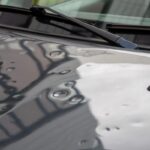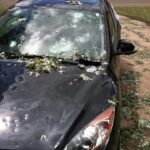
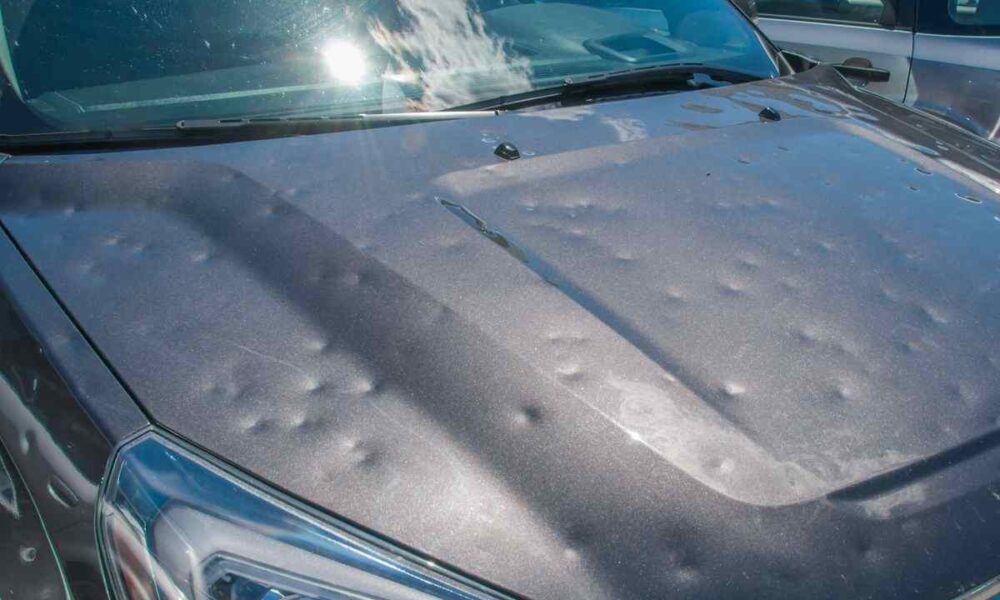
Living in the Lone Star State means accepting that Mother Nature has a bit of a temper. When a storm rolls through, and your vehicle takes a beating, the clock starts ticking on your recovery process. The first thing you need to realize is that the damage is often more than skin deep. If you are dealing with the aftermath of a storm, securing a professional assessment for Auto Hail Damage Repair in Fort Worth, TX, is the single most important step you can take to preserve your vehicle’s resale value and structural safety.
What You Should Know is that insurance companies and repair shops get backlogged almost instantly after a major weather event. Taking immediate, organized action can be the difference between getting your car back in a week or waiting two months for a vacant bay.
Step 1: Safety First and Immediate Documentation
Before you even think about the dents, ensure the vehicle is safe to operate. Check all glass surfaces—windshields, side mirrors, and rear windows—for hairline fractures that could shatter while driving.
Once safety is confirmed, grab your smartphone. Documenting the damage while the car is still “fresh” from the storm is crucial for your hail damage insurance claim.
- Capture the scale: Place a coin or a ruler next to the largest dents to give the adjuster a sense of scale.
- Lighting matters: If possible, move the car under fluorescent lights or into a garage; the reflection makes it easier to spot “dimpling” that natural sunlight might hide.
- Don’t forget the trim: Look at the roof moldings, the hood cowl, and the window seals, as these are frequently damaged by high-velocity ice.
Step 2: Contact Your Insurance Provider
In Texas, hail is considered a “Comprehensive” claim. The good news is that these are typically “Act of God” claims, which generally do not cause your individual insurance premiums to rise. However, the “total loss” threshold can be surprisingly low on older vehicles.
Getting an early estimate helps you understand if the cost of hail repair outweighs the car’s current market value. Be prepared to provide the date, time, and specific location where the storm occurred to speed up the processing of your file.
Step 3: Choosing the Right Restoration Partner
This is the stage where many drivers make a mistake by going to the first “tent” they see on the side of the road. You want a local, established business that understands the specific metals used in modern automotive manufacturing. Millennium Car LLC specializes in navigating these exact scenarios, providing a bridge between the insurance adjuster’s initial estimate and the actual work required to return the car to factory condition.
Working with a reputable name like Millennium Car LLC ensures that you receive a warranty on the labor. Many “storm chaser” repair teams disappear once the clouds clear, leaving you with no recourse if the paint begins to flake or the dents “pop” back in due to poor craftsmanship.
Step 4: Assessing Repair Methodologies
Not all repairs are created equal. In the past, fixing hail damage required sanding down the car, filling dents with putty (Bondo), and repainting the entire vehicle. Not only was this expensive, but it also ruined the factory paint seal.
Today, the industry standard for storm recovery is paintless dent removal. This technique involves using specialized long-reach tools to access the back of the metal panels. Technicians “massage” the indentations out until the surface is perfectly flat again. Because this process keeps your original paint intact, it is the preferred method for high-end vehicles and is much faster than traditional bodywork.
Step 5: Prevent Secondary Damage
While you wait for your scheduled appointment for Auto Hail Damage Repair in Fort Worth, TX, take steps to protect the compromised areas. If your windshield has a chip, avoid using the defroster on high heat, as extreme temperature shifts can cause the chip to spread into a full-length crack.
Furthermore, if the hail was large enough to chip the paint down to the primer, apply a temporary wax or a car cover to prevent Texas humidity from starting the oxidation process. What You Should Know is that surface rust can develop in as little as 48 hours if the metal is exposed to the elements.
Key Terms to Know During the Process
To help you communicate better with your technician or adjuster, keep these automotive restoration terms in mind:
- Pitted Glass: Small nicks in the windshield that don’t go all the way through but obscure vision.
- Over-Sized Dents: Impacts larger than a half-dollar, which may require traditional bodywork if the metal is stretched.
- R&I (Remove and Install): The process of taking off headliners or door panels to gain access to the underside of the dent.
- Diminished Value: The loss in market value a car suffers even after it has been repaired.
Conclusion
A hailstorm is a headache, but it doesn’t have to be a catastrophe. By documenting the damage immediately, filing your claim promptly, and choosing a trusted local expert, you can navigate the repair process with minimal stress. Your car is likely one of your biggest investments; treat its recovery with the same care you used when you first drove it off the lot.